When you think of the G-Funk era, one name immediately comes to mind: Dr. Dre. His 1992 masterpiece, The Chronic, is widely cited as the album that birthed the sound of the West Coast.
But what if the history books are wrong?
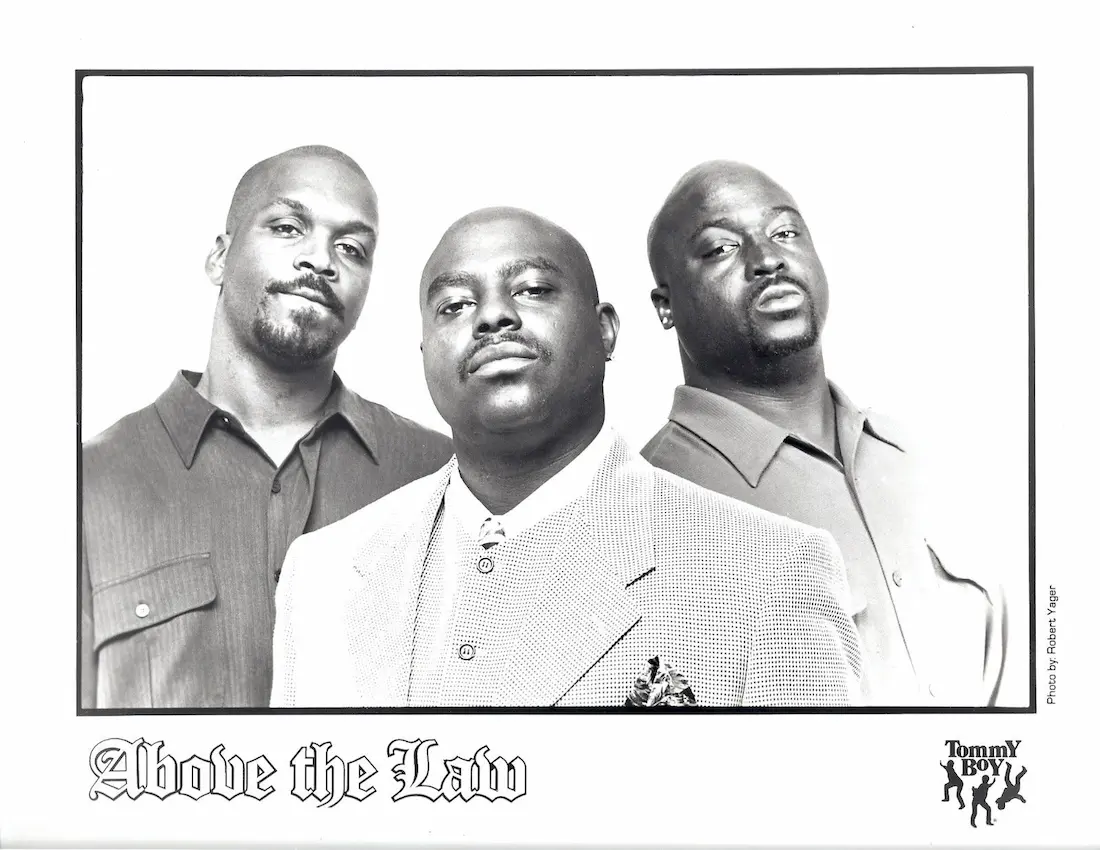
Forensic analysis of recording timelines and studio sessions suggests that the true architect of G-Funk might not be the Doctor, but an often-overlooked pioneer named Cold 187um (Big Hutch) of the group Above the Law. Was G-Funk a stroke of genius by Dre, or was it “borrowed” from the sessions of Black Mafia Life?
Here is the untold truth about the origins of the sound that changed Hip Hop.
What is G-Funk? The “P-Funk” Evolution
To understand the dispute, we must first answer: what is G-Funk? According to Cold 187um, the creator’s definition is specific. It wasn’t just looping a sample; it was a structural evolution.
“We were taking P-Funk and slowing it down, adding live bass and those worm sounds [synthesizers].”
The formula involved sampling George Clinton’s Parliament-Funkadelic (P-Funk), dropping the tempo to a hypnotic groove, and overlaying it with gangsta lyrics. This created a melodic, laid-back vibe that contrasted sharply with the frantic, noisy sound of Public Enemy or N.W.A’s early work. This sound became the DNA of the West Coast, but the question remains: who created G-Funk first?
The “Black Mafia Life” Timeline
The controversy hinges on a specific timeline overlap at Ruthless Records. In 1991, Above the Law was recording their second album, Black Mafia Life. At this time, Dr. Dre was still part of Ruthless Records and N.W.A.
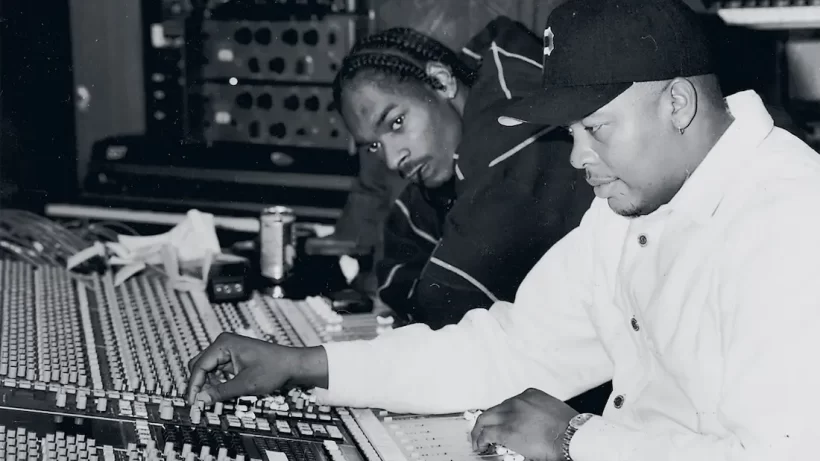
Cold 187um confirms that Dre was present during these sessions.
“Dre was there. He was listening to what we were doing. We were playing him the tracks.”
The songs recorded for Black Mafia Life—specifically tracks like “Call It What U Want” featuring Tupac Shakur—showcased the fully developed G-Funk sound: the whining Moog synthesizers, the deep basslines, and the slow groove. These tracks were created in 1991 and early 1992.
However, due to legal battles involving Eazy-E and the dissolution of N.W.A, the release of Black Mafia Life was delayed until February 1993.
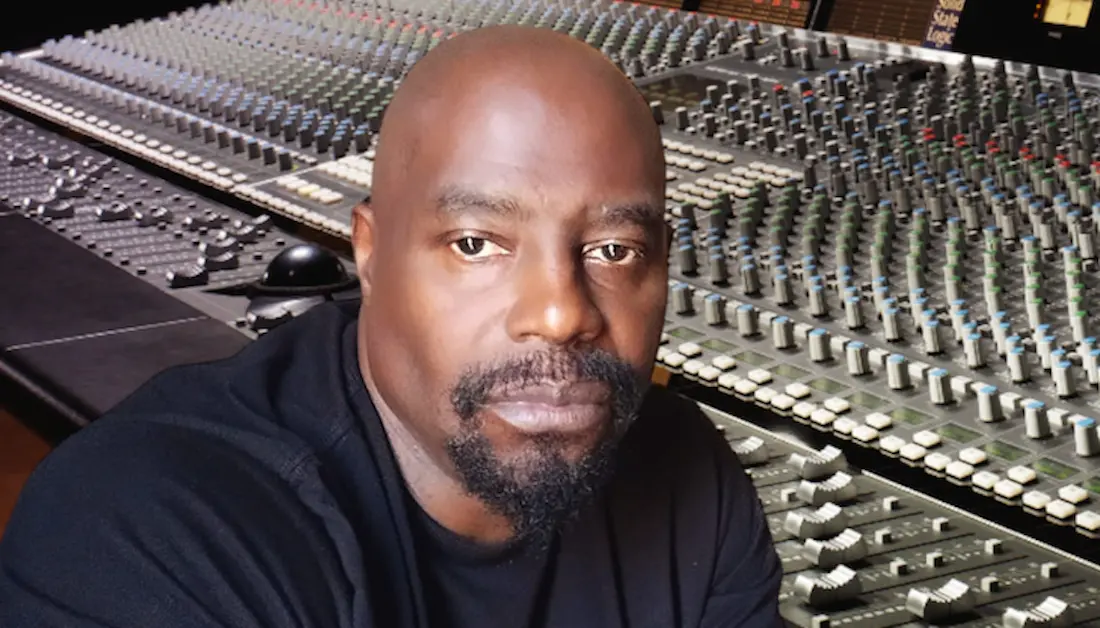
Dr. Dre’s Departure & The Chronic
While Above the Law’s album was stuck in label purgatory, Dr. Dre left Ruthless Records to co-found Death Row Records with Suge Knight. He immediately began working on The Chronic, heavily supported by the D.O.C.’s uncredited writing contributions, which was released in December 1992—two months before Black Mafia Life hit the shelves.
When The Chronic dropped, the world hailed it as a revolutionary new sound. Tracks like “Nuthin’ But a ‘G’ Thang” used the exact same sonic blueprint that Cold 187um had been crafting at Ruthless. Because Dre’s album came out first and became a global phenomenon, history credited him as the inventor.
When Black Mafia Life finally released in 1993, critics and fans—unaware of the recording dates—accused Above the Law of copying Dr. Dre. The irony was bitter: the originators were labeled as imitators.
The Verdict: Genius or Thief?
So, who invented G-Funk? The evidence points to Cold 187um as the originator of the concept and the sound design. He developed the theory of slowing down P-Funk and using specific synthesizers while Dr. Dre was observing.
However, Dr. Dre’s contribution cannot be dismissed. While he may have “acquired” the blueprint from the Ruthless sessions, his production polish, mixing capability, and the introduction of Snoop Dogg took the raw G-Funk sound and perfected it into a pop-culture juggernaut.
Cold 187um laid the foundation; Dr. Dre built the skyscraper. But in the court of Hip Hop history, Above the Law deserves the credit for breaking the ground.
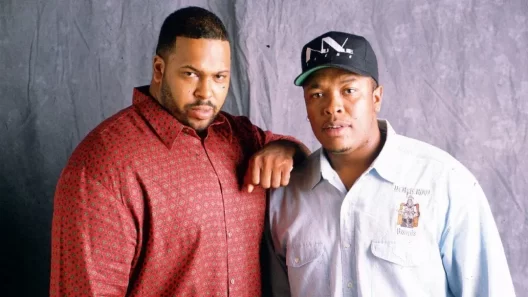
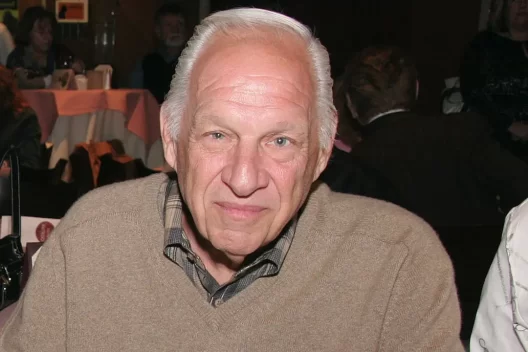
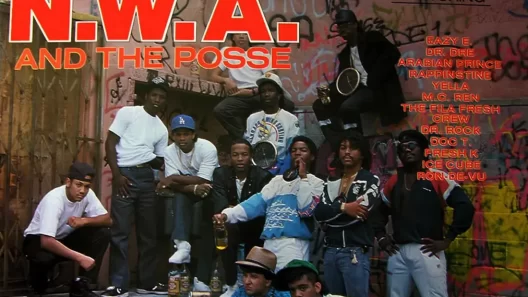
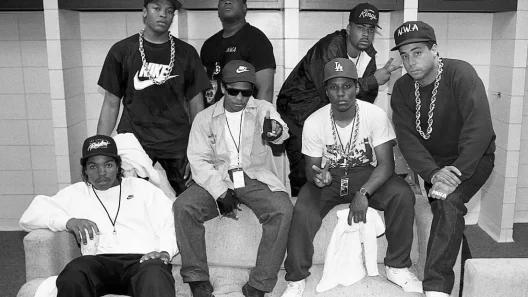
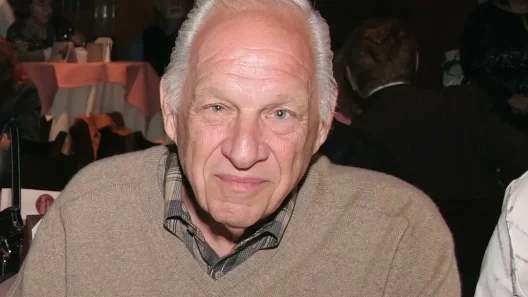
[…] It was a feud that birthed two legendary record labels (Death Row vs. Ruthless), launched the origins of G-Funk era, and ended in one of the most tragic deaths in music […]