Intro summary
Born Charley Wingate in Harlem, Max B—short for Max Biggaveli—is a rapper, singer, and songwriter whose name became synonymous with the word “wavy.” Known for his melodic delivery and charismatic street poetry, Max B reshaped New York rap in the mid-2000s and inspired an entire generation of artists who blurred the line between bars and harmonies.
Today, after nearly two decades marked by music, incarceration, and redemption, Max B remains one of Hip Hop’s most enigmatic figures. His story is not just about prison or fame—it’s about reinvention. From his early choir days to his comeback in 2025, Max B’s journey mirrors Harlem’s raw duality: struggle and art fused into sound.
Quick facts
- Real name: Charley Wingate
- Aliases: Max B, Biggaveli, Wavy Crocket
- Born: May 21, 1978, Harlem, New York City
- Active years: 2005–present
- Affiliations: ByrdGang, Dipset (early), Gain Greene, Coke Wave
- Associated acts: Jim Jones, French Montana, Dame Grease, Stack Bundles, Wiz Khalifa, Drake
- Genres: Hip Hop, Harlem wave, melodic rap
- Style: Sing-song flow, street storytelling, wavy slang
- Themes: Hustle, freedom, resilience, betrayal, pleasure, self-reinvention
Essential biography
Early life and Harlem roots
Max B was born Charley Wingate in Harlem’s Abraham Lincoln projects, a neighborhood that shaped his worldview and his art. Raised mostly by his grandparents while his mother struggled with addiction, young Charley grew up between gospel, chaos, and the streets. He sang in the Harlem Boys Choir, a detail often overlooked but crucial—his sense of melody and rhythm was rooted in that early exposure to structured vocal music.
Despite his grandmother’s attempts to keep him grounded in faith, street life drew him in. At 18, Wingate was arrested for robbery and served eight years in prison. When he walked out in 2005, he was hungry to make music and he came back with a vision.The stage name Max Biggaveli was a fusion of Biggie, Jigga, and Makaveli—his way of declaring himself the next great hybrid of those icons: lyricism, ambition, and prophecy.
Entering ByrdGang and the Jim Jones Era
After his release, Max linked up with Harlem rapper Jim Jones, joining ByrdGang Records. Between 2005 and 2007, he contributed hooks, verses, and songwriting to Jones’ projects, most notably on “We Fly High”, the anthem that defined Dipset’s mainstream peak. Yet behind the success brewed tension: Max claimed he was paid as little as $300 per show while Jones pocketed thousands.
The partnership soured. Max felt exploited, and Jones viewed him as insubordinate. Their fallout (fueled by ego, contracts, and Harlem pride) evolved into one of the most infamous feuds in New York rap.
Underground rise and mixtape movement
Independence unleashed Max’s creativity. Between 2006 and 2008, he released a torrent of mixtapes—Public Domain, Million Dollar Baby, Wavie Crockett, and Domain Diego—each expanding his “wavy” mythos. With producers like Dame Grease, he built a distinctive sound: lush soul samples, slurred harmonies, and nonchalant swagger.
The mixtape circuit became his kingdom. Before streaming, Max flooded the streets with CDs and DVDs, using French Montana’s “Cocaine City” series to reach a cult audience. His melodic ad-libs and half-sung bars turned grit into groove, influencing everyone from Wiz Khalifa to Drake, who later called him “a forefather of melodic rap.”certain, but history suggests he won’t let it slide forever.
Complete timeline
2005–2008: mixtapes and feuds
- 2005–06: features on Jim Jones’ Harlem: Diary of a Summer and Hustler’s P.O.M.E.. Releases debut mixtape Million Dollar Baby.
- 2006: legal troubles begin; arrested for his alleged role in a failed robbery. Despite incarceration, drops Public Domain: Million Dollar Baby Radio and Rise of the Silver Surfer.
- 2007: released on bail, continues a streak of tapes. Grieves the loss of close friend Stack Bundles.
- 2008: leaves ByrdGang, forms Gain Greene, and begins alliance with French Montana. Drops Public Domain 3 and Wavie Crockett. The feud with Jim Jones explodes into public diss tracks and street DVDs.
2009: trial and sentence
In June 2009, Max B was convicted on nine counts related to a 2006 robbery in Fort Lee, New Jersey, that resulted in a man’s death. Despite claims that he wasn’t physically present, testimony from his then-girlfriend implicated him as the planner. The court sentenced him to 75 years in prison for conspiracy to commit murder, armed robbery, and kidnapping.
For the Hip Hop community, the sentence felt catastrophic. Artists like French Montana, Dame Grease, and Curren$y called him “New York’s fallen innovator.” His incarceration froze a career that was on the brink of breaking nationally.
2010–2024: prison, legacy, and myth
Even behind bars, Max B remained prolific. Through phoned-in verses and archived recordings, he released Vigilante Season (2011), Toothy Wavy (2012), and collaborations with Isaiah Toothtaker and Curren$y. His voice echoed in songs like “Siiiiiiiiilver Surffffeeeeer Intermission” on Kanye West’s The Life of Pablo (2016), proof that the culture hadn’t forgotten him.
Meanwhile, his “wavy” aesthetic evolved into a blueprint. Artists across generations adopted his crooned hooks and casual defiance—A$AP Mob, Wiz Khalifa, Drake, and French Montana all cited his influence.
In 2016, Max’s sentence was reduced from 75 to 20 years after his conviction was partially vacated. Legal appeals, media advocacy, and public support reframed his case as an example of systemic excess in sentencing.
2025–present: freedom and rebirth
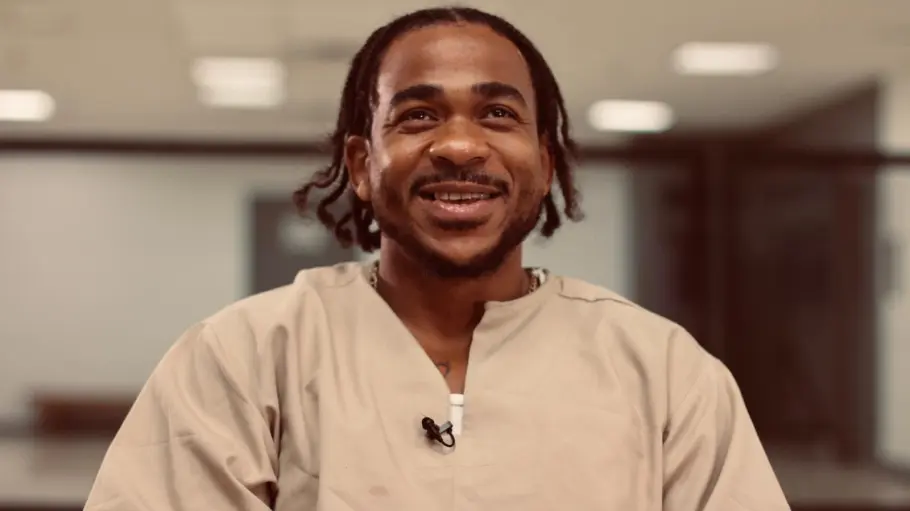
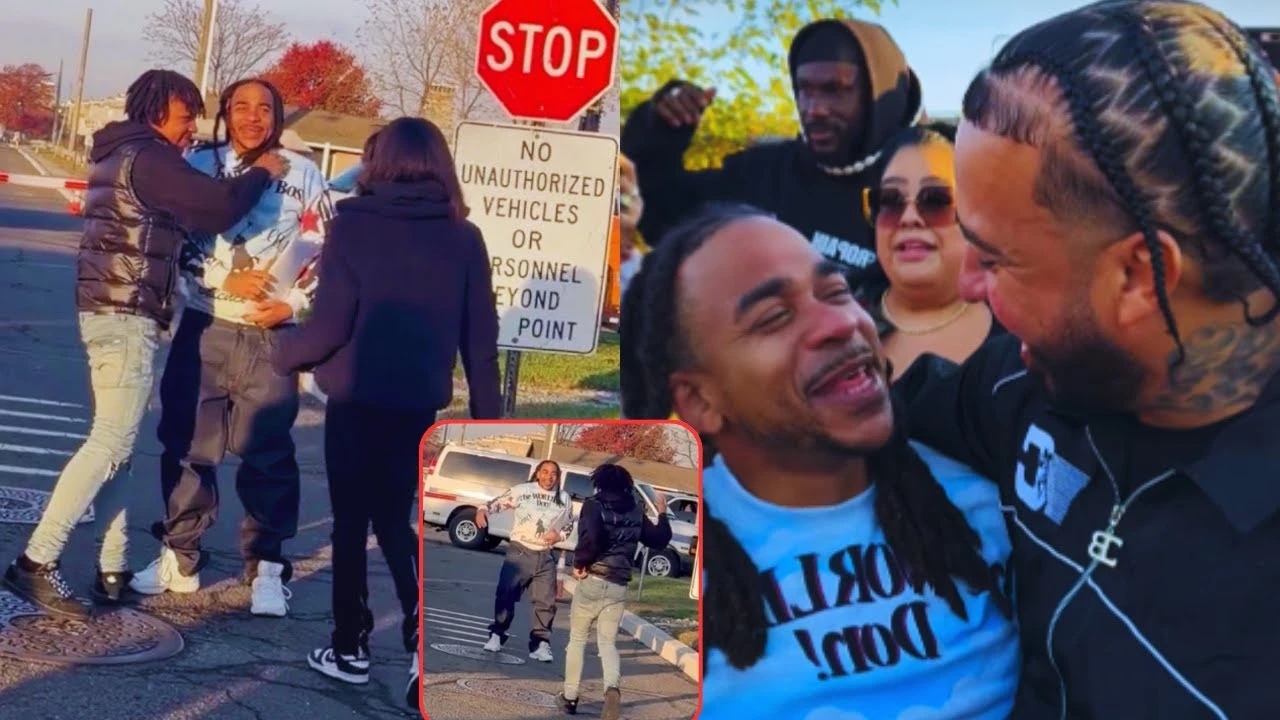
Released on November 9, 2025, Max B stepped out of Northern State Prison to hugs from family and French Montana—on Montana’s birthday, no less. Social media erupted with “THE WAVE IS BACK.” Within days, he teased Coke Wave 3, a continuation of his cult-classic series.
On Drink Champs, Max sounded reflective:
“I’m a new man. Married, four kids, ready to build. No regrets.”
He spoke of mentoring young artists and creating media projects that “document, not perform” the culture. His goal now: to turn redemption into legacy.
Full discography
Key mixtapes and highlights
- Million Dollar Baby (2006) – breakout solo debut, classic Harlem street R&B.
- Public Domain series (2006–2009) – six-part anthology defining the “wavy” sound.
- Wavie Crockett (2008) – swagger and melodic experimentation at its peak.
- Coke Wave (2009) w/ French Montana – street classic blending poetry and grit.
- Vigilante Season (2011) – first studio album, written pre-trial, released post-sentencing.
Collaborations and features
Frequent collaborators include Dame Grease (production mentor), French Montana (Coke Wave series), Tony Yayo, Curren$y, and The Weeknd (indirect influence through French’s Jungle Rules).
His songwriting fingerprints remain on Jim Jones’ “We Fly High”, a hit many believe he ghost-crafted.
Unreleased and compilation works
- Library of a Legend (2011–2013) – vault releases curated by fans.
- Negro Spirituals (2021) – introspective digital project from prison.
- Return of the Wave (2013) and Wave Gods (2016) – collaborations reaffirming his underground royalty.
Evolution of style
Voice as instrument
Max B’s delivery has always been his fingerprint. While Harlem was known for hard-edge lyricism, he sang. His tone drifted between croon and confession, slurred, melodic, half-drunk, half-divine. That off-balance cadence became his signature: fluid, unpredictable, never fully rapped nor sung. Critics later called it “the proto-melodic wave.”
Unlike contemporaries who chased perfect rhythm, Max prioritized feeling over precision. He stretched syllables, broke rhyme schemes, and made imperfection sound effortless. That looseness, later adopted by Future, Young Thug, and Lil Durk, began here, in Harlem basements where Max recorded straight from the mic with no vocal tuning.
Hooks, Ad-libs, and cadence
His process centered on hooks first, verses second. He’d freestyle choruses, mumble melodies, then fill the blanks with narrative. Songs like “Blow Me a Dub” or “Gotta Have It” show the pattern: infectious refrains repeated like mantras. His ad-libs—“owww,” “wavy baby,” “silver surfer”—were not filler but branding.
Soundscape and producers
With Dame Grease and Young Los, Max developed a cinematic Harlem sound: slowed-down soul loops, airy reverb, thick drums. Unlike Dipset’s glossy horns, the Wave’s production felt smoky and nocturnal. The result was street blues—music for hustlers after hours.
Before vs after incarceration
Before 2009, Max’s tone was playful, ego-driven, sensual. Post-incarceration recordings, especially Negro Spirituals (2021), show restraint—shorter bars, introspective delivery, spiritual undertone. The wavy style matured: less hedonism, more philosophy.
The “Wavy” concept
Origin and definition
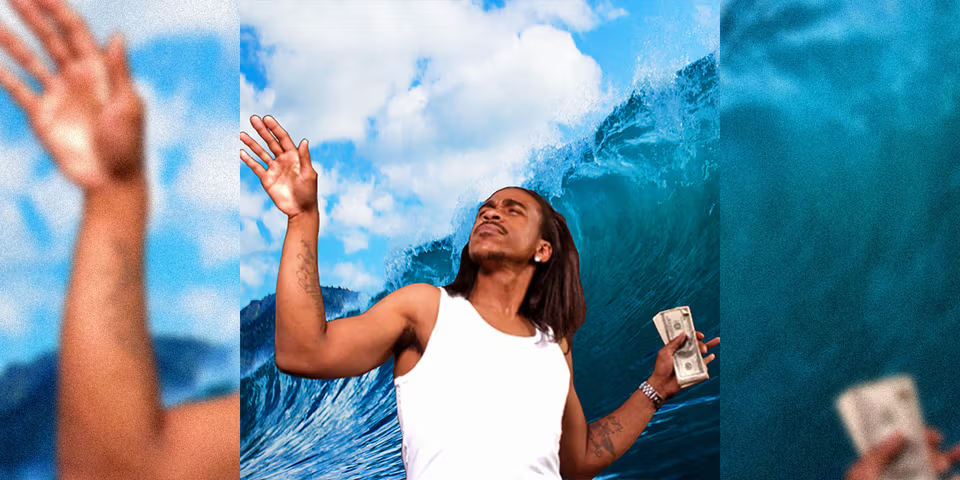
Wavy was Max B’s word for freedom within chaos. It meant effortless cool, emotional fluidity, unbothered confidence. First appearing in early mixtapes (Million Dollar Baby 2, Public Domain 3), the term spread through Harlem slang by 2007. Fans and blogs credited Max as “the Wave God.”
Aesthetic and linguistic spread
“Wavy” traveled beyond lyrics—into fashion, design, and meme culture. Tumblr aesthetics, Chrome Hearts jewelry, surf-style fonts in rap visuals—all carry the residue of Max’s wave. French Montana and Wiz Khalifa amplified it online, while Kanye’s Waves album title (later changed to The Life of Pablo) publicly acknowledged him.
Philosophical layer
To Max, being wavy was existential:
“You can’t teach the wave—you gotta live it.”
It symbolized adaptability and transcendence, a refusal to drown in hardship. His “wave” fused Harlem hustle with spiritual detachment, a mix later echoed by artists like Playboi Carti, Don Toliver, and Swae Lee.
Collaborations and network
Dame Grease and the blueprint
Producer Dame Grease was Max’s sonic architect. Together they defined the Public Domain series—raw loops, cinematic intros, soulful samples. Grease’s minimalist engineering left space for Max’s drawl, giving birth to the Wave’s atmosphere.
French Montana: brotherhood and brand
The Coke Wave era (2008–09) paired Max’s melody with French’s street narration. Their chemistry was organic: Max provided hooks, French handled structure. Coke Wave 2 became a cult tape, and its influence on New York’s mixtape ecosystem rivaled early Dipset releases.
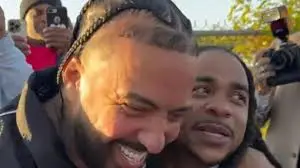
French never abandoned Max during prison. He kept the “Free Max B” slogan alive on songs, interviews, and merchandise, preserving the brand until 2025. Their reunion photo—the embrace outside Northern State Prison—symbolized continuity more than nostalgia.
Cross-Generational influence
Max’s fingerprints appear in Drake’s half-sung choruses, The Weeknd’s detached hedonism, and the hybrid writing of artists like A Boogie wit da Hoodie. Even Kanye’s 2016 shout-out positioned him as a cultural ancestor.
Lyrical analysis
Core themes
- Freedom vs confinement – recurring duality between street liberty and prison walls.
- Pleasure and survival – luxury as escape; champagne as metaphor for resilience.
- Betrayal and loyalty – Jim Jones fallout, coded disses, brotherhood lost.
- Mortality and reflection – mourning Stack Bundles, confronting fate.
Rhetorical technique
He employs slant rhyme and alliteration (“money make me feel magnificent”) to simulate intoxication. The syntax bends like melody, intentionally off-meter to preserve the illusion of spontaneity.
Legal context
The 2006 robbery case
On September 22, 2006, a robbery at a Fort Lee Holiday Inn led to the death of David Taylor. Prosecutors alleged Max B planned the heist executed by his ex-girlfriend Gina Conway and stepbrother Kevin Leerdam. Though not at the scene, he was charged with felony murder for conspiracy.
Trial and conviction
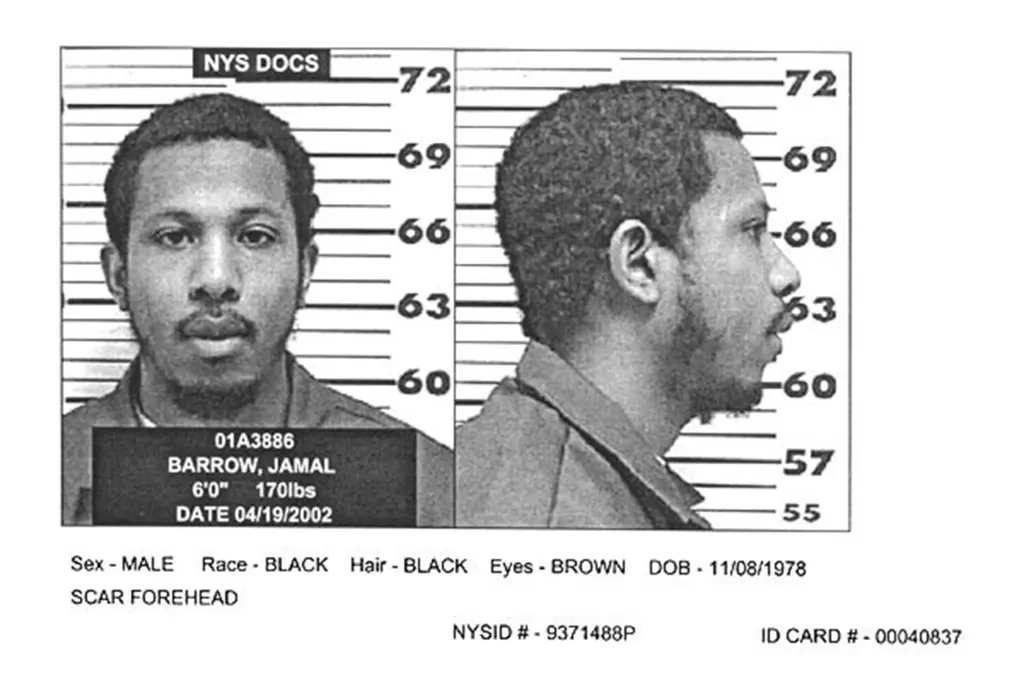
In June 2009, after a month-long trial, he was found guilty on nine counts including armed robbery, kidnapping, and felony murder, and sentenced to 75 years. Critics called the penalty disproportionate for a non-shooter.
Appeals and sentence reduction
In 2016, legal counsel achieved a vacation of several convictions, leading to a 20-year plea deal for aggravated manslaughter. His behavior in prison, coupled with rehabilitation efforts, facilitated parole by November 9, 2025.
Media and public perception
Max’s case became emblematic of sentencing excess in Hip Hop. Blogs compared it to C-Murder and Shyne, artists whose legal sagas redefined authenticity myths in rap.
Rehabilitation and education
Inside programs
During incarceration, Max joined music production workshops, literacy tutoring, and faith-based mentorship. Fellow inmates described him as “the studio in cell B.” He reportedly taught songwriting techniques and collaborated via prison phone for mixtapes like Toothy Wavy.
Outreach and influence
He supported youth deterrence programs in New Jersey prisons, emphasizing consequence awareness. Interviews with Hot New Hip Hop in 2024 revealed he’d been assisting a program connecting incarcerated musicians with external producers through monitored recording exchanges.
Symbolic relevance
His rehabilitation narrative reframes him from cautionary tale to proof of transformation, aligning with the Hip Hop archetype of redemption—from Tupac’s introspection to Meek Mill’s reform advocacy.
Cultural impact on modern rap
The bridge between eras
Max B was the missing link between 2000s New York street rap and 2010s melodic trap. Before Auto-Tune dominance, he blurred rap and R&B organically. His delivery anticipated the emotive elasticity of artists like Future, Lil Baby, and Rod Wave.
Influence acknowledged
- Drake (2010): called him “a pioneer of melody in gangster rap.”
- Wiz Khalifa: cited Max’s phrasing as blueprint for Kush & Orange Juice.
- A$AP Mob: adopted his Harlem cool and slang cadence.
- French Montana: built an entire brand—“Coke Boys”—on their shared wave identity.
Linguistic legacy
“Wavy” joined Hip Hop’s permanent lexicon alongside “lit,” “drip,” and “no cap.” Urban Dictionary entries and academic studies on slang diffusion trace its source to Max’s early mixtapes.
Visual and stylistic ripple
The slow-motion luxury aesthetic in rap videos—fur coats, rooftop scenes, dim lighting—owes to his Million Dollar Baby era visuals. His charisma turned Harlem realism into cinematic mythology.
The return (2025 – Present)
Freedom day
On November 9, 2025, footage showed Max walking free, embraced by French Montana. The date—French’s birthday—felt scripted by destiny. Within hours, hashtags #FreeMaxB and #TheWaveIsBack trended worldwide.
Media strategy and music plans
Weeks later, he confirmed Coke Wave 3 and a seven-city East Coast tour. Instead of chasing algorithms, Max plans serialized documentary content—short interviews, studio diaries—mirroring Drink Champs energy but focused on history and mentorship.
His stated goal:
“Document, don’t perform.”
Public reception
Fans hailed his maturity. Outlets like Rolling Stone and Billboard framed him as a survivor rather than a scandal. The narrative shifted from crime to cultural endurance—a rare redemption arc in modern rap.
The comeback: “No More Tricks” and Public Domain 7
True to his reputation for prolific output, Max didn’t wait long to hit the booth. On November 24, 2025, just two weeks after his release, he dropped his first official single, “No More Tricks,” reuniting with his longtime sonic architect, Dame Grease.
The track serves as the lead single for his first post-prison studio project, “Public Domain 7: The First Purge (Patient Zero),” announced for release on November 28. Lyrically, the song finds Max reasserting his status in the game, weaving stream-of-consciousness references to legends like Eazy-E, Dr. Dre, and Alicia Keys. The bars are raw and unfiltered, with Max spitting lines like, “Clip hold 17 / Get high off that Ketamine,” reminding listeners that his street edge hasn’t dulled.
“Shaking off the Rust” vs. The Wavy Style
The single’s release sparked an immediate debate among fans, highlighting the unique nature of Max’s “off-beat” delivery. While some listeners on social media forums noted that his flow felt “off beat” or rusty, others defended it as “intentional and wavy,” arguing that his loose relationship with the snare drum is exactly what defines his style.
Max himself addressed this adjustment period with refreshing honesty. in a recent interview with Billboard, he admitted that stepping back into a modern recording booth required an adjustment:
“It’s going to take me a little second to shake the rust off… I had went to the studio yesterday and the mic was sounding too perfect. So, it was throwing me off a little bit.”
However, he emphasized that the feeling is back, stating, “I’ma wil’ out… It’s ready. Ain’t gotta do much”. For true listeners, this imperfection—the raw, “one-take” energy over a Dame Grease loop—is precisely what separates the Wave from the polished, algorithmic rap of the streaming era.
Controversies and criticism
Blackballing allegations
Before prison, Max and French accused Jim Jones of blocking radio play and label deals. Though unproven, the claim reflected industry politics where gatekeeping stifled independent Harlem voices.
Media bias and misrepresentation
Tabloids sensationalized his conviction, rarely covering appeals or artistic output. Academic observers later cited his case in discussions on racialized criminal framing in Hip Hop reporting.
Artistic polarization
Some critics dismissed his vocals as “off-key.” Yet that imperfection birthed authenticity. The same looseness derided in 2007 became mainstream by 2015—proof that innovation often arrives unpolished.
FAQ
Q: Who is Biggaveli?
A: Biggaveli is Max B’s self-coined hybrid of Biggie, Jigga, and Makaveli—symbolizing lyrical prowess, hustler mentality, and visionary defiance.
Q: What does “wavy” mean?
A: In Max’s lexicon, “wavy” means smooth confidence and resilience—moving through life’s chaos with style and calm.
Q: Why was Max B in prison?
A: He was convicted in 2009 for conspiracy in a 2006 robbery that turned fatal. His sentence was reduced to 20 years, and he was released in 2025.
Q: What’s his most influential song?
A: “Blow Me a Dub” epitomizes his melodic street gospel and coined many of his ad-libs.
Q: Is Max B still making music?
A: Yes. Post-release, he’s recording Coke Wave 3 with French Montana and launching media projects under the Wave Brand.