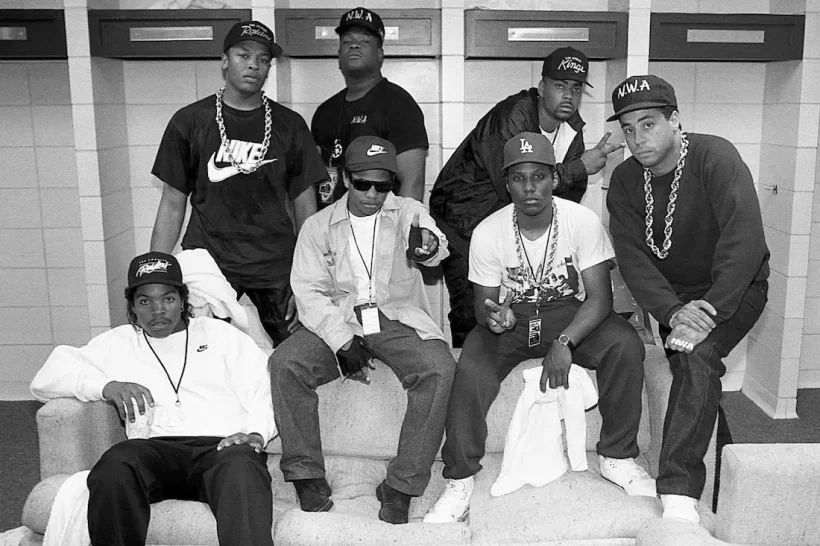
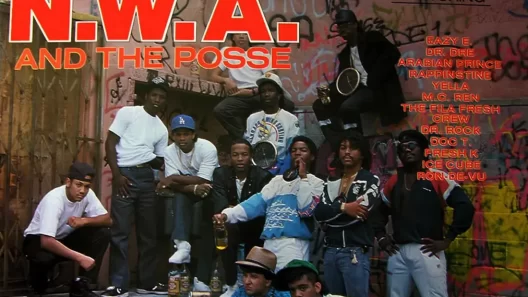
The departure of Ice Cube from N.W.A in late 1989 wasn’t just a band breakup; it was the first forensic case of an artist recognizing his worth against an opaque corporate machine. To understand the collapse of the “World’s Most Dangerous Group,” we have to look past the lyrics and into the ledgers.
The Architect of Compton
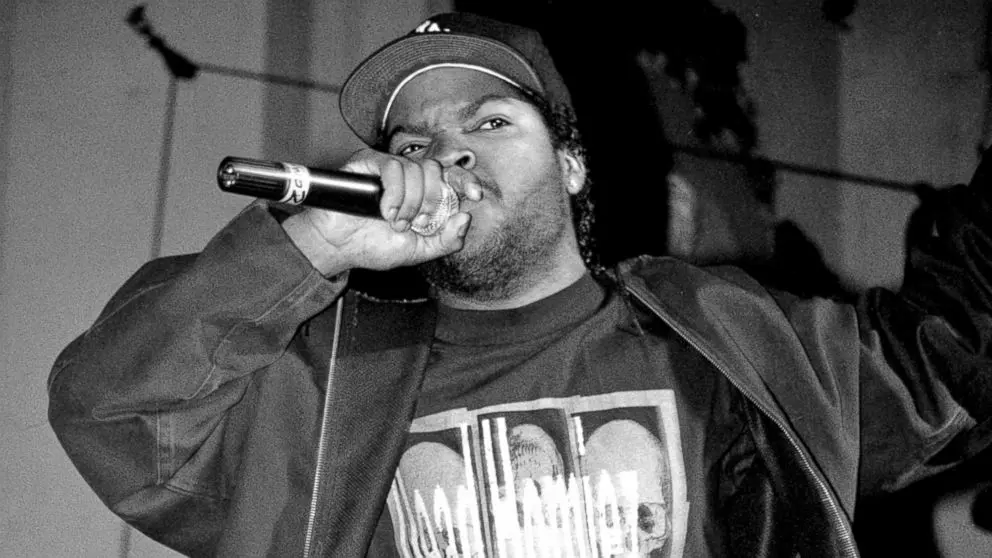
Ice Cube (O’Shea Jackson) was the primary creative engine of the group. As the “Unofficial lead rapper,” he was responsible for writing large swaths of the lyrics that defined a generation. His pen gave voice to the streets, but his paycheck told a different story.
Cinema vs. Reality
While Ice Cube in Straight Outta Compton (the movie) captures the electric energy of the group’s rise, it often glosses over the cold financial frustration Cube felt. By the end of 1989, despite the group’s landmark success, the creative architect found himself in a long-running dispute with management that would change the trajectory of West Coast rap.
Why Did Ice Cube Leave N.W.A? The Business Breakdown
The reason for the split was a fundamental lack of transparency regarding Songwriting credits and income. Cube realized that having played a prominent role in the group’s global success, his input was not being reflected financially.
The $75,000 Discrepancy
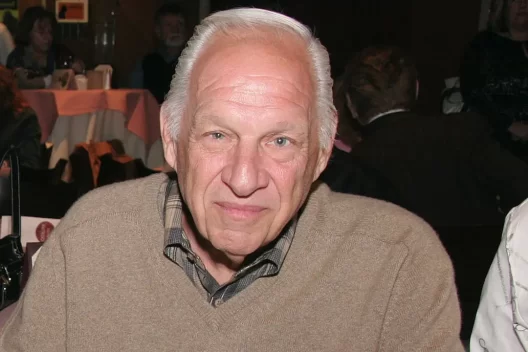
The focal point of the resentment was the ice cube nwa contract. While the group generated millions for Ruthless Records, Cube felt that his manager Jerry Heller was pocketing a disproportionate amount of the earnings. The breaking point came when Cube was offered a recording contract with a signing bonus of only $75,000—a figure he found insulting given his contribution to the debut album’s monumental sales. He refused to sign, choosing financial independence over a predatory deal.
No Vaseline: The Forensic Evidence in a Diss Track
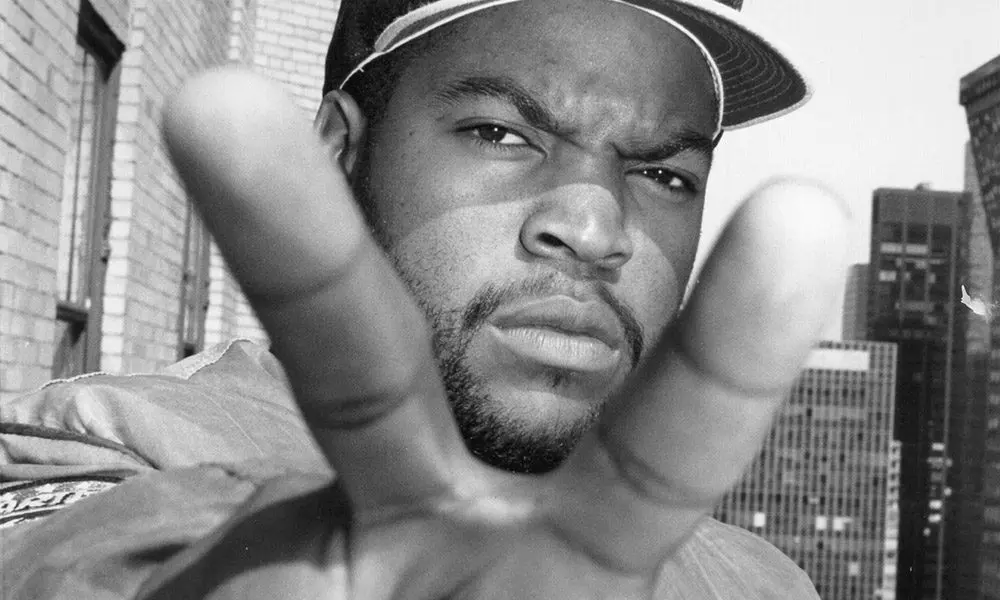
Released on October 29, 1991, “No Vaseline” is more than just a song; it is an emphatic, no-holds-barred document of betrayal. Filled with venom, it serves as a personal vendetta where Cube fired shots at his former bandmates and their management.
Firing Shots at Jerry Heller and Eazy-E
Through the “No vaseline” lyrics, Cube called out the group for their decline since his departure. He specifically targeted Eazy-E and Heller, using the track to highlight the perceived exploitation of his former friends. The song became the sonic evidence of a brotherhood destroyed by the ledger, framing the remaining N.W.A members as “employees” of a manager who didn’t share their background.
The Priority Records Transition: Seeking Independence
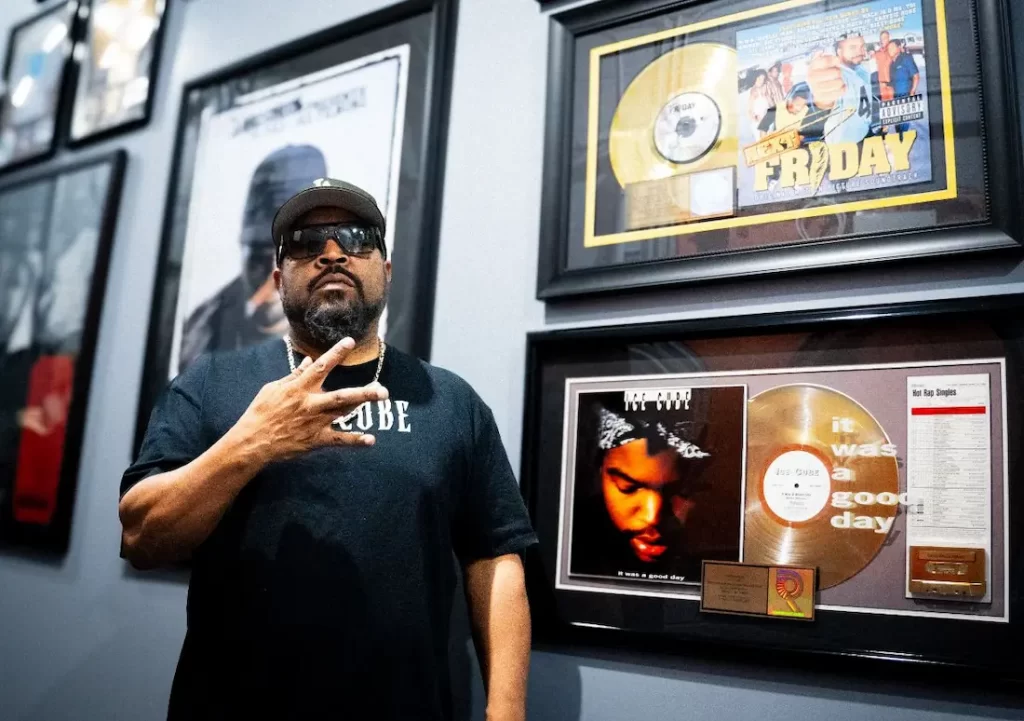
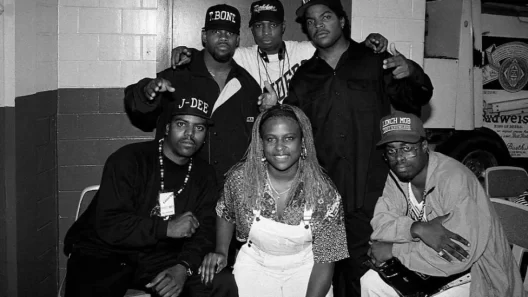
After leaving the Ruthless Records offices, Cube found a new home at Priority Records under the leadership of Bryan Turner. Supported by his manager, Pat Charbonnet, Cube began to build his own collective, the Lench Mob, seeking the autonomy he was denied at his previous label.
The Baseball Bat Incident: A Refresh of Memory
A legendary moment in this transition is the question: did Ice Cube destroy Priority Records office? Cube himself has recounted the incident, explaining it wasn’t a random act of violence but a reaction to a broken promise. After being promised an advancement to buy a house for his family, Turner “got amnesia” when it was time to pay. Cube walked into the office with a baseball bat, not to “go crazy,” but to “refresh the memory” of the executive. It was a raw, physical manifestation of his refusal to be lied to by the industry.
Eazy-E and Ice Cube: A Relationship Broken by the Ledger
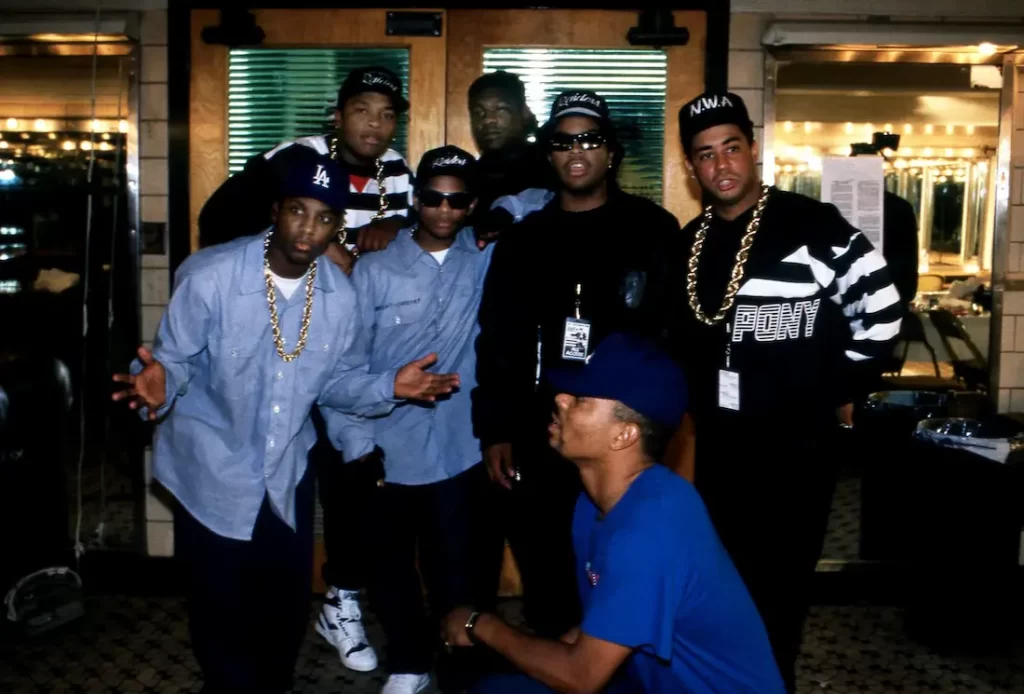
The bond between Eazy and Cube was the foundation of N.W.A, but the intervention of Jerry Heller turned that bond into a weapon. The dispute wasn’t just silent; it became a public war of words.
N.W.A Dissing Ice Cube
Before “No Vaseline,” there was a period where NWA dissing Ice Cube on their own records. Encouraged by Heller, the group portrayed Cube as a traitor who walked away from the family. This media war obscured the forensic truth for years: Cube hadn’t left the group; he had left a contract that treated the primary songwriter as an afterthought.
The Legacy of Financial Defiance
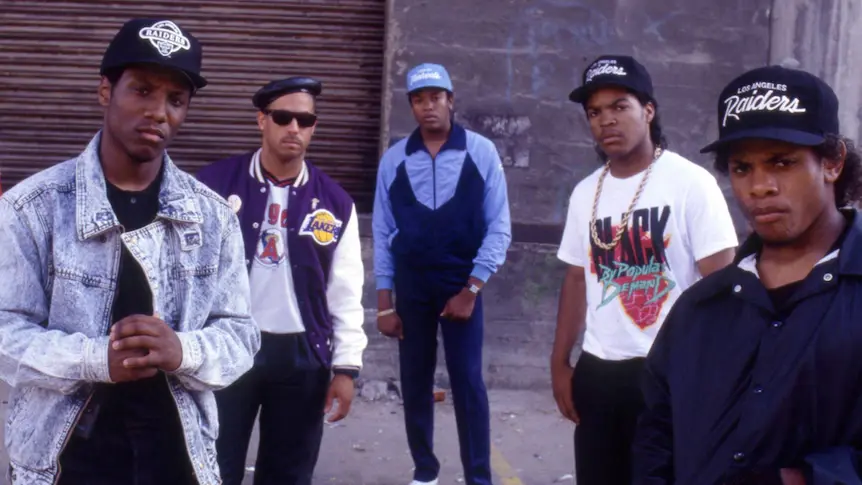
Ice Cube’s exit set the blueprint for artist empowerment. He proved that an “Unofficial lead rapper” could survive and thrive outside the shadow of a major label machine.
The Final Accounting
Ultimately, Cube risked his entire career to fight against what he perceived as royalty theft. He refused to be a “water guy” in a desert he helped create. His journey from N.W.A to his own empire stands as a forensic lesson for every artist: the most dangerous thing in the music business isn’t the streets—it’s the fine print.

[…] 0February 12, 2026 […]