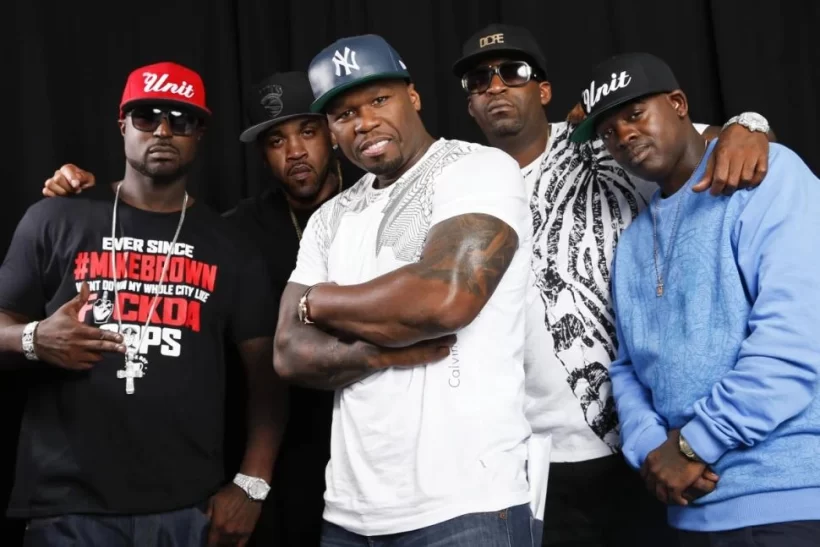
In March 2005, the release of The Massacre marked not only a musical triumph but the ultimate consecration of Curtis “50 Cent” Jackson as a ruthless corporate CEO. He managed to transform an initial industry blacklisting into an independent financial empire. At the core of this operation was G Unit Records, a label that completely redefined the rules of the music business and set the stage for the legendary Vitamin Water deal.
The Mixtape Industrialization (Proof of Concept)
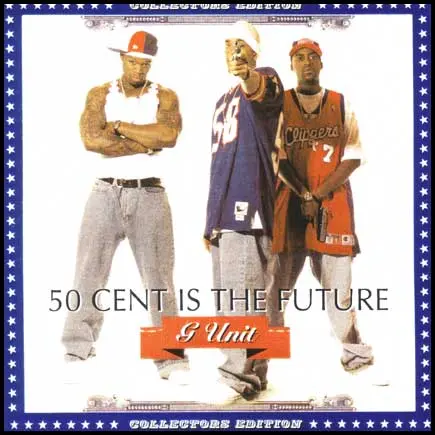
Before dominating the global charts, 50 Cent was effectively blacklisted by the recording industry following the controversy surrounding his track Ghetto Qu’ran and the subsequent attempt on his life. With traditional studio doors closed, he decided to industrialize the mixtape format. He moved past the era of simply giving exclusive verses to DJs; instead, he recorded full, structured projects over other artists’ industry beats, proving to the entire scene that the format started with 50 Cent Is The Future Mixtape was the new commercial standard.
The Basement Studio & The Digi001 Investment
The entire production process was strictly in-house, taking place in Sha Money XL’s basement. Sha Money invested in a Digi001 (Pro Tools) system, allowing them to bypass expensive professional recording studios. 50 Cent enforced a relentless work ethic, recording two to three songs a day, often in one take, which allowed them to stockpile a massive catalog of music at virtually zero cost.
Guerrilla Distribution and the Canal Street Bootleggers
Distribution required an equally unconventional approach. Rather than fighting music piracy, 50 Cent and Sha Money XL leveraged the bootleggers on Canal Street. When they realized the black market was duplicating and distributing their CDs faster than they could press them, they understood they had effectively unlocked a nationwide distribution network for free.
Branding from Scratch: Tattoos and DJ Whoo Kid
The branding was entirely organic. The logo for the 50 Cent Is The Future tape wasn’t designed by a corporate agency; it was simply a photograph of the “G-Unit” tattoo on 50 Cent’s arm. Furthermore, DJ Whoo Kid—who was initially terrified of 50 Cent’s street reputation—was convinced to become the official host only after witnessing the undeniable street demand and massive numbers of that first tape.
The Label Within a Label: Interscope & Shady/Aftermath
As the independent movement exploded, the corporate industry had to take notice, leading fans and executives alike to wonder who owns G-Unit Records and how the G-Unit/Interscope Records infrastructure actually worked.
The $1M Deal
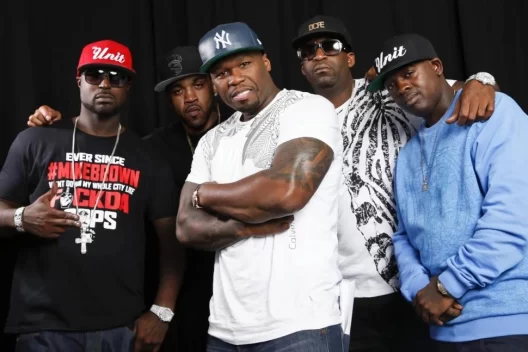
The breakthrough happened when lawyer Theo connected with Paul Rosenberg, getting the Guess Who’s Back tape to Eminem in Detroit. Eminem immediately flew 50 Cent out to Los Angeles. This resulted in a $1 million deal under Shady/Aftermath (spearheaded by Eminem and Dr. Dre). Crucially, this leverage allowed 50 Cent to secure a joint venture with Interscope to officially launch his own imprint, G-Unit Records, to sign artists like Lloyd Banks, Tony Yayo, and The Game.
The Financial Literacy Gap: Equity vs. Upfront Cash
Behind the scenes, the eventual implosion of the group was rooted in a severe gap in financial literacy. 50 Cent operated as a long-term investor focused on equity and corporate leverage. In contrast, other members of the collective, particularly Young Buck, lacked this business acumen and constantly demanded upfront cash, creating a fatal internal friction over how revenue should be generated and distributed.
The Apparel License: Marc Ecko & G-Unit Clothing
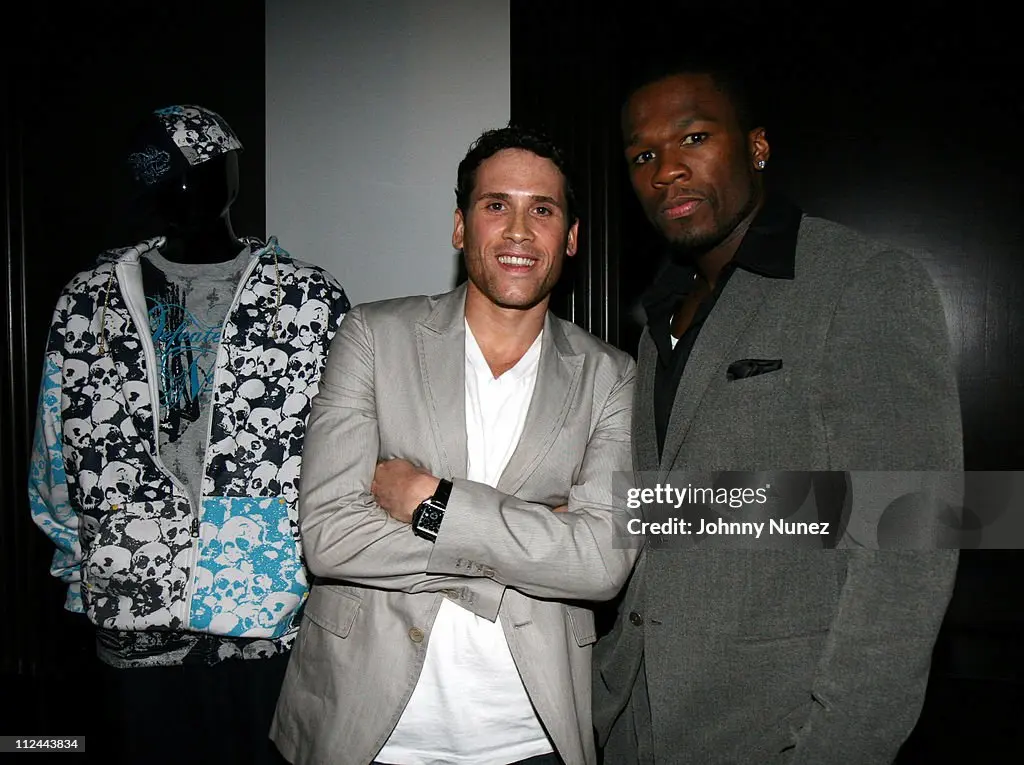
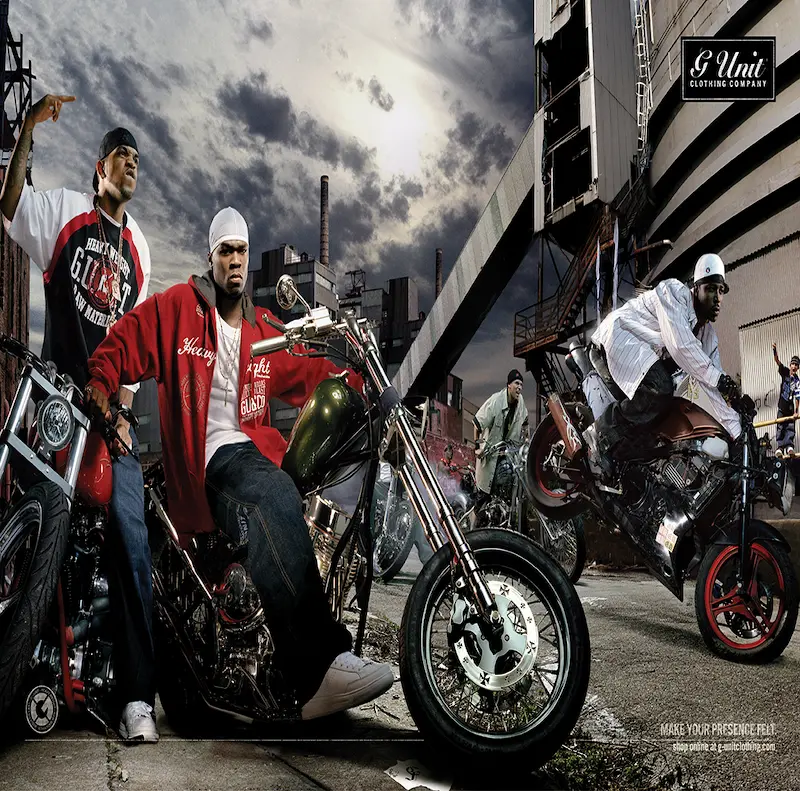
The empire quickly expanded beyond music into the fashion sector with G-Unit Clothing. Instead of building a manufacturing infrastructure from scratch and absorbing massive overhead costs, 50 Cent executed a brilliant licensing agreement with Marc Ecko Enterprises, providing the logo and brand identity in exchange for high-margin dividends.
Brand Synergy and the Reebok Ultimatum
50 Cent demanded absolute corporate synergy and micromanaged the brand’s visibility. During a meeting, he noticed that despite distributing Reebok sponsorship checks to his artists, members like Lloyd Banks and Young Buck were showing up wearing competitor luxury brands like Gucci, Louis Vuitton, and Fendi. Viewing this as a massive branding failure, 50 Cent physically took the endorsement checks back from them.
Market Saturation: Why the Clothing Line Declined
The eventual decline of the clothing line was heavily influenced by rapid market changes. According to Marc Ecko, the urban streetwear market became overly saturated. The transition from the baggy clothing era to a demand for high-fashion, tighter-fitting garments rendered the G-Unit aesthetic obsolete. Combined with the internal conflicts, the brand could not sustain its initial momentum.
The Ultimate Boss Move: The Vitamin Water Equity Deal
No single maneuver highlights 50 Cent’s business genius more than his venture into the beverage industry—a move that still has people searching how much did 50 Cent sell vitamin water for.
The Supermarket Epiphany
The inspiration struck in a supermarket aisle. 50 Cent noticed a gallon of branded water selling for $2.89, while a generic gallon of spring water sat nearby for just $0.59. Realizing that the massive price markup was purely a result of marketing and branding, he went straight to his manager, Chris Lighty, and stated simply: “I want to sell water.”
The $4.1 Billion Coca-Cola Buyout: Endorsement vs. Equity
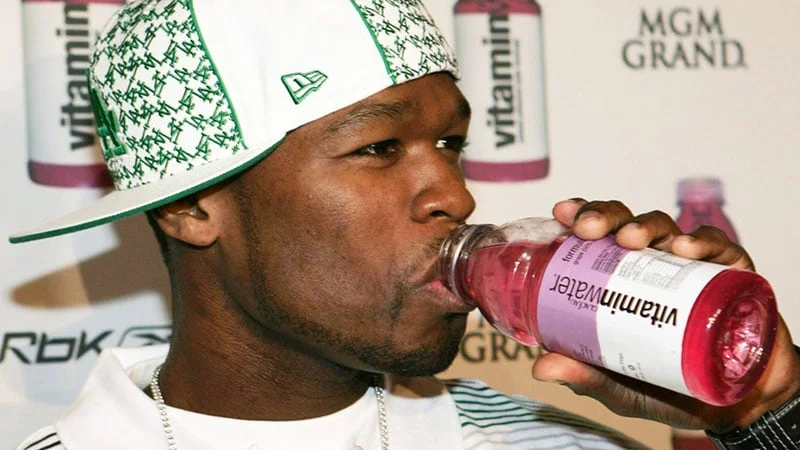
Chris Lighty orchestrated a meeting with Glacéau, the parent company of Vitamin Water. In a masterclass negotiation, 50 Cent refused a standard six-figure celebrity endorsement fee, demanding instead an equity stake in the company for his own grape-flavored “Formula 50”. This gamble paid off historically when The Coca-Cola Company (answering the common question: “is Vitamin Water a Coca Cola product?”) acquired Glacéau for $4.1 billion. Holding an equity stake of roughly 10% in his specific brand, 50 Cent secured a nine-figure payout, cementing one of the greatest corporate buyouts in hip-hop history without having to sell a single record.