Introduction: the call that changed everything
Imagine working at a Verizon call center in Sacramento, hustling phones out the back door to make ends meet, and suddenly your phone rings. The voice on the other end isn’t a customer complaining about a bill. It’s 50 Cent.
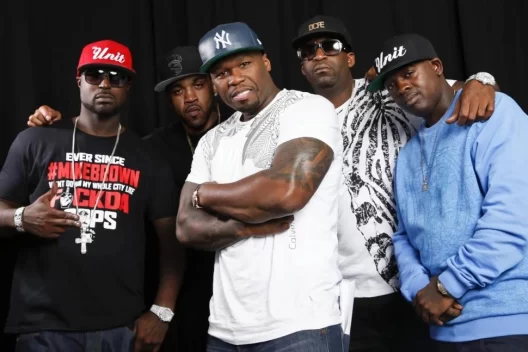
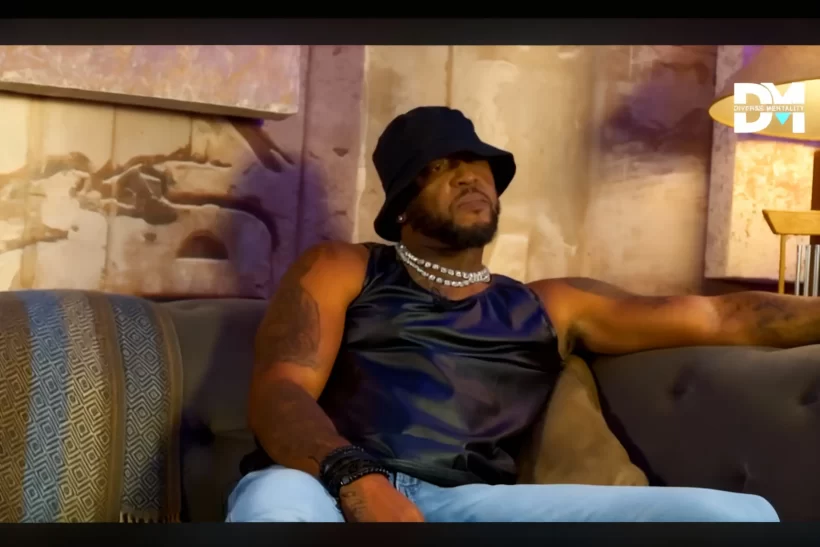
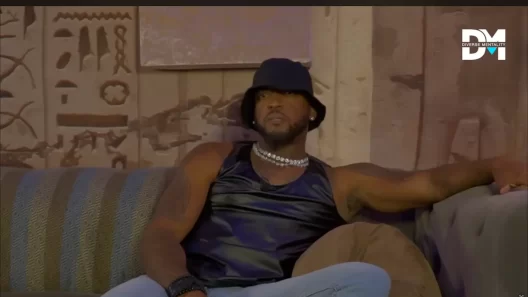
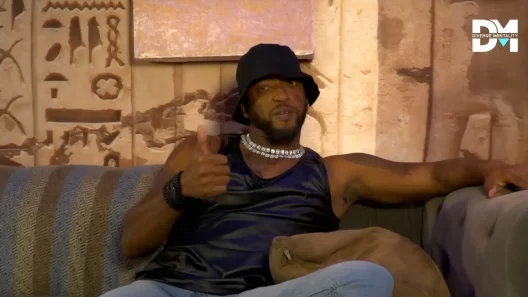
This isn’t a movie script; it’s the real life of Hot Rod, arguably one of the most talented yet unlucky artists to ever sign with G-Unit Records.
For years, fans have wondered: What happened to Hot Rod? Why did the album never drop?
Through exclusive sit-downs with the man himself, we can finally reveal the chaotic, high-stakes story of how a demo tape turned into a deal with the biggest rap group in the world—and how one wrong decision by the industry machine derailed it all.
The “Hustler” Past & The Verizon Scheme
Before the music career, Hot Rod was already living a “Fast and Furious” lifestyle, fueled by a massive hustle that would eventually catch up with him.
At 19 years old, working at a Verizon call center in Sacramento, he discovered a loophole in the system. With a “skeleton crew” and lax controls, he realized he could ship phones without being tracked. It wasn’t just one or two; it became an empire.
“I was sending 20, 30 phones a week to the East Coast… I was making hundreds of thousands. I had the rice rocket, the rims, the cash. I felt untouchable.” — Hot Rod
He was making six figures illegally on top of his salary, living with the arrogance of youth. But the “easy money” came with a price. When the scheme was inevitably uncovered, it landed him in serious legal trouble.
The Call That Risked It All
Fast forward to 2006. Hot Rod is now in Arizona, focusing on his music and relying on the Law of Attraction to turn his life around. But his past was still haunting him: he was on probation for his previous crimes.
His demo tape landed in the hands of Taurus Scott, who passed it to Sha Money XL (G-Unit’s then-president). 50 Cent heard it and made the call immediately.
The Gamble: when 50 Cent told him to fly to New York immediately, Hot Rod faced a dilemma. He couldn’t legally leave the state.
“I didn’t even pack a bag. I just left. I knew if I got caught at the airport, I was going back to jail.”
He risked his freedom to chase the dream. He arrived in Connecticut with nothing but the clothes on his back, stepping out of the legal shadow and into a mansion staffed with chefs and maids.
Recording “Fast Lane” in two weeks
The chemistry was instant. 50 Cent, known for his relentless work ethic, put Hot Rod to work immediately.
“We did the whole album in like two weeks… Fif [50 Cent] wrote on it, I wrote on it. It was done.” — Hot Rod
The album, tentatively titled Fast Lane, was shaping up to be a classic G-Unit project. It had the grit, the melodies, and the co-sign of the biggest rapper on the planet. But it wasn’t just 50 Cent backing him—the production credits were legendary.
The A-List Production: Eminem, Dr. Dre & the “Skeleton Tracks”
Most fans don’t realize what was actually lost when Fast Lane was shelved. This wasn’t a mixtape thrown together with generic beats. Hot Rod had secured production from Dr. Dre, Jake One, and Dangerous LLC.
But the crown jewel was working with Eminem.
Hot Rod revealed Eminem’s unique and meticulous production process, often referred to as “skeleton tracks.” Unlike most producers who send finished beats, Eminem would send stripped-down instrumentals—just a kick, a snare, and maybe a hi-hat.
“He’ll send like skeleton tracks… You body it, you know what I’m saying? And then he builds around it.” — Hot Rod
The plan was for Hot Rod to lay down his vocals on the skeleton beat, and then Eminem would build the melody and instruments around his voice, creating a perfectly tailored track. This level of production is rare, and it confirms that G-Unit saw Hot Rod as a major priority, not just another signee.
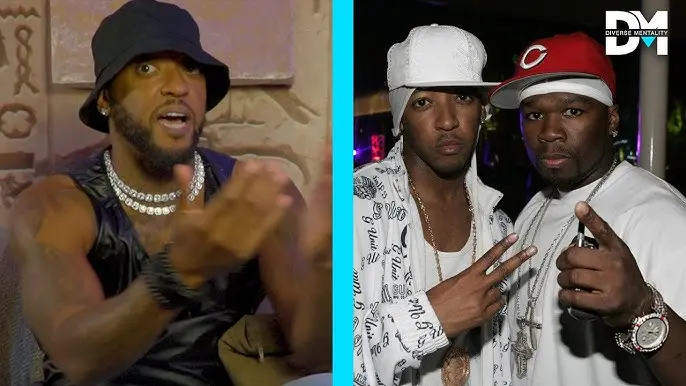
The $100,000 Mistake: “Be Easy” vs. “Chase The Cat”
So, how did an album produced by Dr. Dre and Eminem fail to launch? The answer lies in one fatal decision.
Hot Rod had a street anthem ready to go: a track called “Chase The Cat”. It was authentic, it was catchy, and it fit the G-Unit brand perfectly.
However, Jimmy Iovine (head of Interscope) and 50 Cent had a different vision. They wanted a radio crossover hit. They pushed for a track called “Be Easy” and paid a staggering $100,000 to get Mary J. Blige on the hook.
“I knew in my heart… ‘Chase The Cat’ was the one. But I was the new guy. I couldn’t tell 50 Cent and Jimmy Iovine ‘No’.”— Hot Rod
The Result? “Be Easy” failed to connect with the streets. It felt forced. The momentum died, and the album—along with the Eminem and Dre tracks—was shelved. It’s a classic example of label politics overthinking a debut. Instead of letting Hot Rod be himself, they tried to manufacture a pop star, costing G-Unit one of its most promising acts.
Conclusion: A Legacy Left on the Hard Drive
Hot Rod’s story isn’t just about failure; it’s about the brutal reality of the music business. He went from shipping illegal phones in Sacramento to recording with Eminem and Mary J. Blige, only to see it all pause due to corporate strategy.
But the story doesn’t end here. Living in 50 Cent’s mansion taught Hot Rod lessons about business, loyalty, and survival that are worth more than any platinum plaque.
Now that you know the music history, discover the lifestyle. Read our exclusive on Living with 50 Cent: Inside the Connecticut Mansion.
[…] music business, talent gets you signed, but politics determines if you shine. We’ve explored Hot Rod’s incredible discovery story and his life inside 50 Cent’s mansion, but one question remains unanswered: Why did it all […]
[…] With the competition destroyed, 50 Cent turned his attention to building an empire, eventually signing the next generation of talent like Hot Rod. […]