
In the late 1980s, the rap industry was often compared to the “Wild West”—a landscape of predatory contracts and opaque accounting. While Jerry Heller’s management style at Ruthless Records focused on a “business associate” bond with Eazy-E, it left other artists exposed. When Ice Cube walked away, he didn’t just need a new label; he needed a new philosophy. Enter Pat Charbonnet, the Ice Cube Manager who redefined Music Business Management in the 90s.
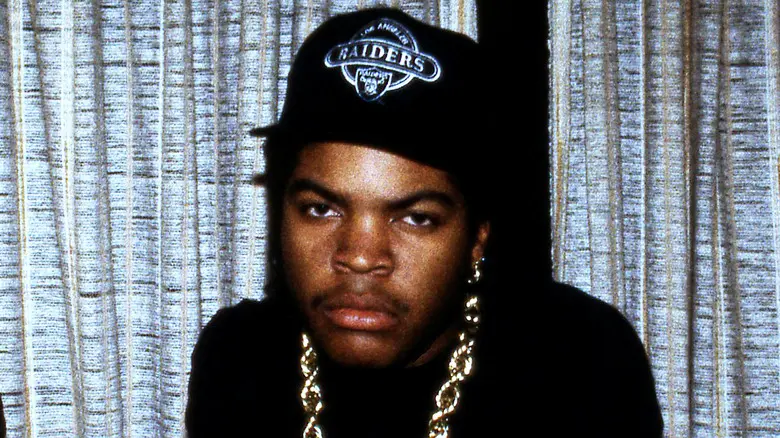
The Woman Behind the “Street Knowledge” Revolution
After leaving the Ruthless Records offices, Ice Cube (O’Shea Jackson) sought the autonomy he was denied by his previous management. Pat Charbonnet became the catalyst for this shift, helping Cube navigate a world where he was previously “tired of being lied to.”
Founding Street Knowledge Productions
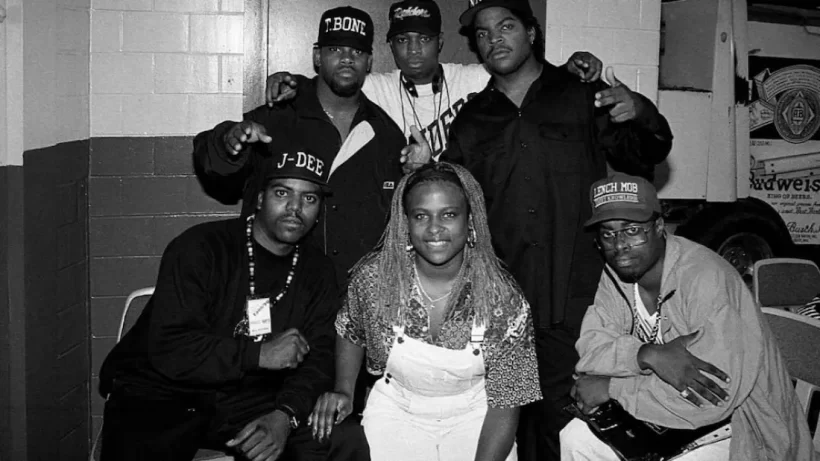
One of Charbonnet’s most significant moves was helping Cube found Street Knowledge Productions. This wasn’t just a vanity label; it was the bedrock of Cube’s Financial independence. By establishing this production company, Charbonnet ensured that Cube moved from being an “unofficial lead rapper” and employee to a principal owner of his creative output. This entity eventually evolved into the legendary Lench Mob Records in 1992, home to artists like Yo-Yo and Del the Funky Homosapien.
Executing the “Anti-Heller” Strategy
If Jerry Heller represented the old guard of exploitation, Pat Charbonnet represented the new guard of empowerment. Her approach—often referred to as the “Anti-Heller” Strategy—was rooted in transparency and long-term security.
Protecting the Songwriting Credits
Unlike the situation at Ruthless, where Cube’s massive contributions to Straight Outta Compton weren’t reflected in his bank account, Charbonnet focused on protecting Cube’s Songwriting credits. Under her guidance, Cube’s solo debut, AmeriKKKa’s Most Wanted, became a landmark success that proved an artist could thrive without the Heller machine. Heller reportedly saw Charbonnet as a “threat to his hegemony” precisely because she empowered Cube to ask the questions Heller preferred to leave unanswered.
The Priority Records Era and the “Carrot” Philosophy
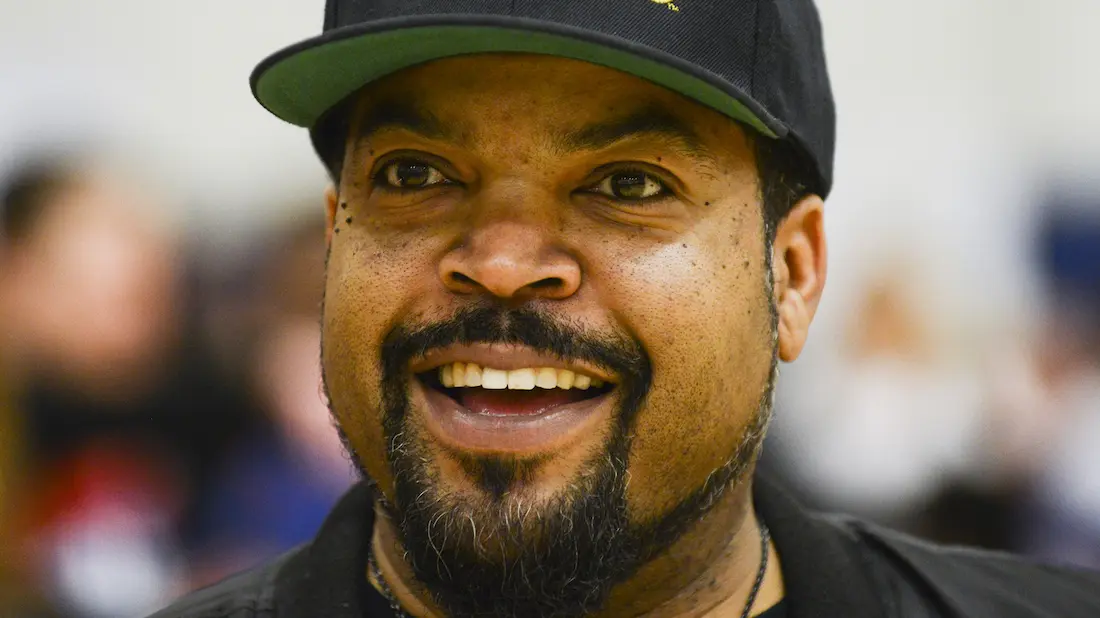
Working alongside Bryan Turner at Priority Records, Charbonnet managed more than just schedules; she managed expectations and corporate promises. When Turner “got amnesia” regarding a promised advancement for a house deposit, it was the structural independence Charbonnet helped build that allowed Cube to push back.
Beyond the “Dangled Carrot”
The philosophy shared by Cube and Charbonnet was a rejection of the “dangled carrot” used by the industry to keep artists chasing unattainable wealth while staying broke. As documented in their shared history, the goal was not just to be “billionaires” used as exceptions by the system, but to live a “decent life” with a “decent lifestyle.” Charbonnet’s management ensured Cube wasn’t just another rapper playing for the system, but a businessman securing a home and a future for his family.
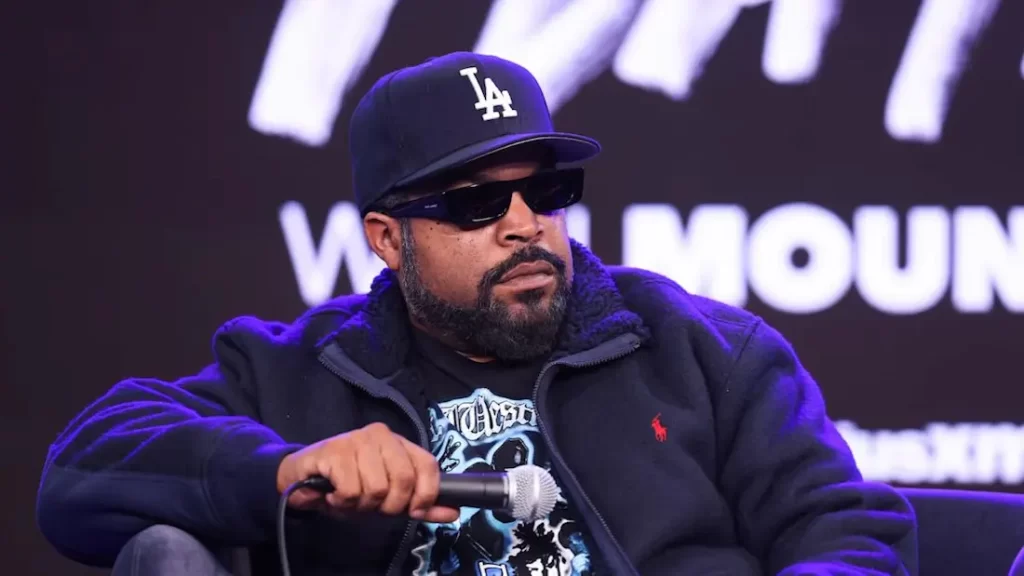
Conclusion: A Masterclass in Independence
The impact of Pat Charbonnet on Ice Cube’s career remains a forensic lesson in the importance of choosing the right team. In an era where few women held top-tier management positions in Hip Hop, she dismantled the predatory structures of the past. Through Street Knowledge Productions, she didn’t just give Cube a career; she gave him a fortress that remains standing today, proving that in the music business, knowledge truly is the ultimate street power.
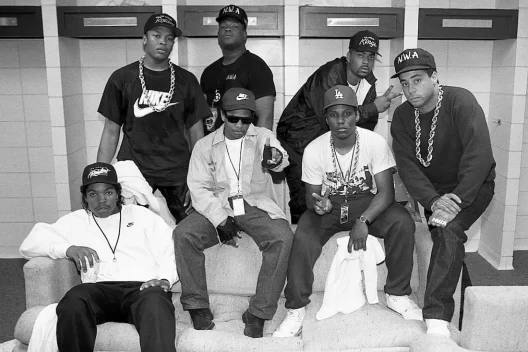
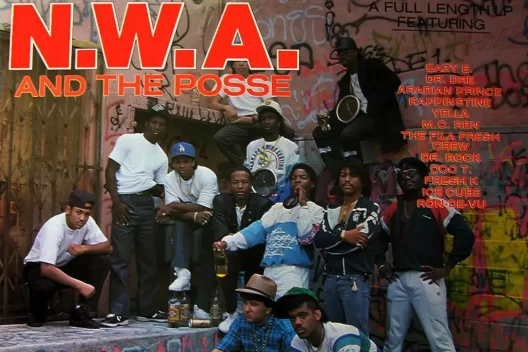

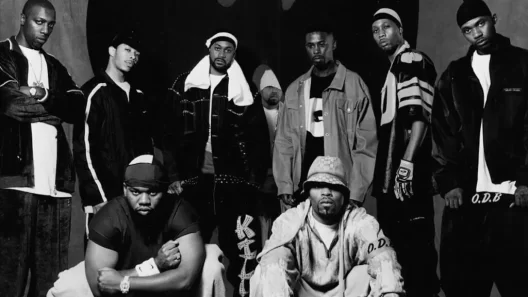
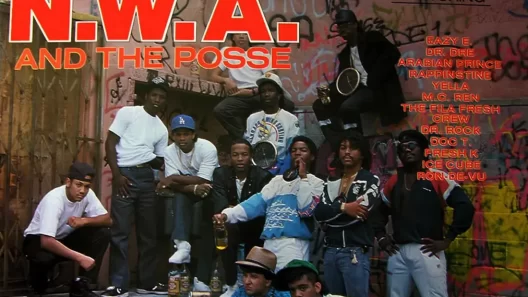
[…] Cube found a new home at Priority Records under the leadership of Bryan Turner. Supported by his manager, Pat Charbonnet, Cube began to build his own collective, the Lench Mob, seeking the autonomy he was denied at his […]