Introduction: before Drake vs. Kendrick, there was Roxanne
If you ask a modern rap fan about “beef,” they might point to the meme-fueled spats on Instagram or the lyrical chess match between Drake and Kendrick Lamar. But long before Twitter fingers and SoundCloud links, there was the Queensbridge Projects, a canceled radio appearance, and a 14-year-old girl doing laundry who accidentally changed music history.
We are talking about the Roxanne Wars.
For the uninitiated, this might sound like ancient history. But for true students of the culture, the Roxanne Wars (1984–1985) represent a pivotal moment. It was the Big Bang of the “answer record.” It was the moment Hip Hop realized that conflict wasn’t just about battling in the park—it was a marketable, vinyl-pressing industry.
Mainstream outlets often reduce this saga to a footnote or a simple list of songs. But to understand the soul of this era, you have to look past the Wikipedia summaries. You have to understand the tension between the raw authenticity of the streets and the polished machinery of the record industry.
This is the complete, untold story of how Roxanne Shanté, Marley Marl, and the UTFO sparked the longest-running lyrical feud in history—and why it still matters today.
The Spark: a no-show that changed everything
Every war has a catalyst. In 1984, the catalyst was a B-Side track that wasn’t even supposed to be a hit.
The Brooklyn-based group UTFO (Untouchable Force Organization), comprised of the Kangol Kid, Educated Rapper, Doctor Ice, and Mix Master Ice, was gaining traction. They were breakdancers turned rappers, polished and ready for primetime. They released a single called “Hanging Out,” but radio DJs ignored the A-Side. Instead, they flipped the record over and played “Roxanne, Roxanne.”
The song was catchy, humorous, and relatable. It told the story of the three MCs trying (and failing) to holler at a girl named Roxanne, who snobbishly rejected their advances. It became a street anthem in New York.
The “diss” that wasn’t musical
So, how did a fun song about rejection turn into a war? It started with a bruised ego.
UTFO was scheduled to appear on WBLS’s “Rap Attack,” the legendary radio show hosted by Mr. Magic and produced by Marley Marl. At the time, Mr. Magic was the gatekeeper of New York Hip Hop. If he played your record, you were made. If he didn’t, you were invisible.
For reasons that are still debated—some say miscommunication, others say arrogance—UTFO didn’t show up. Mr. Magic and Marley Marl were left with dead air and a feeling of disrespect. In the unspoken code of the streets, you don’t disrespect the gatekeepers.
Marley Marl didn’t just want to ban them; he wanted to embarrass them. He needed a voice to strike back.
Enter Shanté: “Seven Minutes of Funk” and pure rage
This is where the story shifts from “industry beef” to Hip Hop legend.
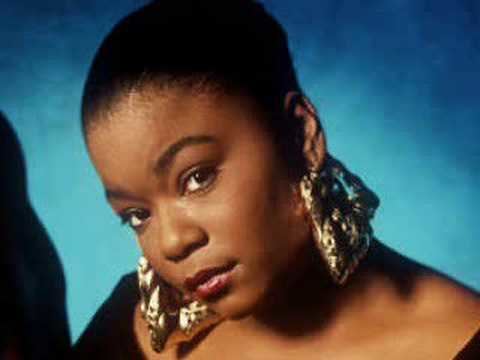
Marley Marl was operating out of his apartment in the Queensbridge Projects. As the story goes, a 14-year-old girl named Lolita Gooden was hanging around outside the building. Some accounts say she was just walking by; others say she was waiting to do laundry. What everyone agrees on is that she had a reputation in the projects for her sharp tongue and freestyle battles.
Marley called her up to the apartment. He didn’t have a budget for a studio session, a polished beat, and he took the instrumental break from “Seven Minutes of Funk” by The Whole Darn Family—a loop that would become iconic thanks to this very moment—and told Lolita to go in.
She adopted the persona of “Roxanne,” the very girl UTFO had been rapping about. But instead of being the snob they described, she flipped the script. She claimed she rejected them not because she was stuck up, but because they were wack.
In a single, raw take, “Roxanne’s Revenge” was born.
Why it resonated
Listening to it today, aspiring producers might cringe at the audio quality. The levels are blown out. The breath control is raw. But that imperfection was its superpower.
While UTFO sounded like a polished label product, Roxanne Shanté sounded like the girl on the corner who would roast you in front of your friends. It was 100% authentic.
- She mocked their outfits.
- She mocked their rhymes.
- She attacked their manhood.
Marley Marl slipped the tape to Mr. Magic, who played it on WBLS immediately. The phones lit up. The streets declared a winner before UTFO even knew they were in a fight. Shanté sold 250,000 copies in the New York area alone, forcing her mother to pull her out of school just to sign the contracts.
The empire strikes back: the “real” Roxanne
If this were a movie, the story would end here: the underdog wins, and the polished group learns a lesson. But this was the music business in the 80s.
Select Records, the label behind UTFO, was furious. They were watching an unauthorized response record (released on the independent Pop Art Records) outsell their artist. The label tried to sue for copyright infringement over the “Seven Minutes of Funk” sample (which forced Marley Marl to re-record the instrumental later), but soon realized that lawsuits wouldn’t stop the momentum. It became clear that they needed to beat Shanté at her own game. But instead of finding a raw talent, they manufactured one.
They held auditions and cast a woman named Adelaida Martinez. They dubbed her “The Real Roxanne.” Backed by the production powerhouse Full Force, they released a smooth, R&B-infused hip hop track titled “The Real Roxanne.”
The culture clash
This moment defined a split in Hip Hop consumption that still exists today:
- The purists (Team Shanté): sided with the raw lyricism, the Queensbridge grit, and the independent hustle.
- The mainstream (Team Real Roxanne): preferred the radio-friendly production, the danceable beats, and the “official” stamp of approval.
Shanté wasted no time. She fired back with “Bite This,” proving that while Martinez had the look and the budget, Shanté had the bars.
The 100-record flood: when the streets went crazy
What happened next is a phenomenon that has never been repeated at this scale. Seeing that any record with the name “Roxanne” was printing money, everyone jumped in.
It wasn’t just New York. Acts from the West Coast (including an early Dr. Dre with the World Class Wreckin’ Cru) and Miami dropped references. The topic devolved from a rap battle into a soap opera. We had records from Roxanne’s family members, her doctor, and even people claiming Roxanne was a man in drag.
It is estimated that over 100 answer records were pressed between 1984 and 1985. Most were garbage cash-grabs, but some were legitimate bangers.
The essential Roxanne Wars chronology
For the crate diggers and history buffs, here is the breakdown of the tracks that actually matter.
| Year | Artist | Track | Context |
| 1984 | UTFO | Roxanne, Roxanne | The Origin. Three guys get rejected by a girl |
| 1984 | Roxanne Shanté | Roxanne’s Revenge | The Clapback. Shanté roasts UTFO over a raw breakbeat |
| 1984 | The Real Roxanne | The Real Roxanne | The Industry Plant. Select Records’ polished response |
| 1985 | Sparky D | Sparky’s Turn | The Challenger. Sparky D enters the ring to battle Shanté directly |
| 1985 | Dr. Freshh | Roxanne’s Doctor | The Satire. Claimed he treated Roxanne for losing her mind |
| 1985 | Roxanne Shanté | Bite This | The Defense. Shanté takes on Sparky D and The Real Roxanne simultaneously |
| 1985 | Ralph Rolle | Roxanne’s A Man | The Absurd. A track claiming Roxanne was actually a guy named Dave |
| 1985 | Roxanne Shanté | Queen of Rox (The Final Word) | The Victory Lap. Shanté attempts to close the saga |
Legacy: why The Roxanne Wars matter today
t is easy to look back at the “Roxanne’s Doctor” tracks and laugh. But beneath the saturation and the absurdity, the Roxanne Wars laid the foundation for modern Hip Hop culture.
1. The power of the answer record
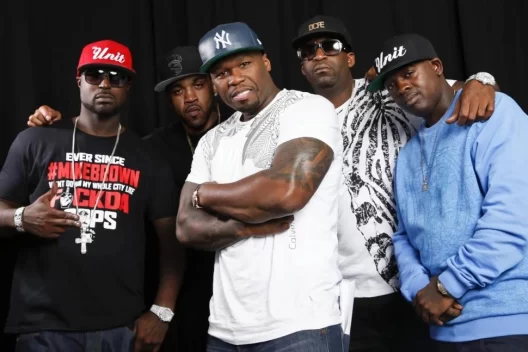
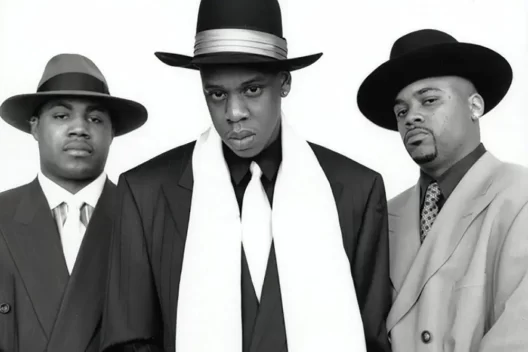
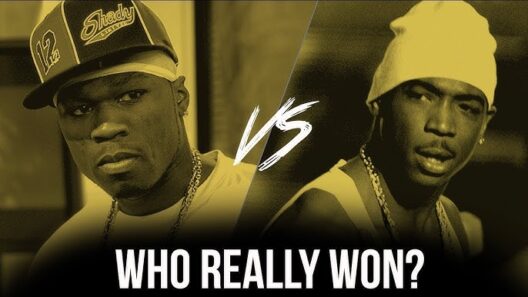
Before Roxanne, “diss tracks” were mostly confined to live battles in parks like the Harlem World or the fever. Roxanne Shanté proved that conflict could be packaged, distributed, and monetized. Every major beef that followed—The Bridge Wars, Nas vs. Jay-Z, 50 Cent vs. Ja Rule and recent clash involving Drake and Kendrick—follows the blueprint laid out by a 14-year-old Lolita Gooden.
2. Women in Hip Hop
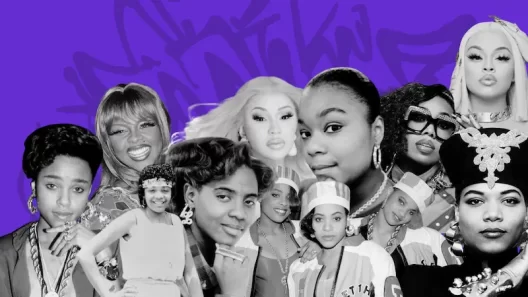
Shanté didn’t just participate; she dominated. In a male-dominated era, she was the aggressor. Rather than just singing hooks, she was taking heads. Her fearless approach paved the way for the evolution of women in Hip Hop, proving that a female MC could carry a label on her back. Without her blueprint, we might never have seen the rise of legends like Salt-N-Pepa and MC Lyte, or the fierce modern dynamics behind rivalries like Nicki Minaj vs Cardi B.
3. The Queensbridge Dynasty
This feud launched the career of Marley Marl, who would go on to form the Juice Crew (Big Daddy Kane, Biz Markie, Kool G Rap). Without that “Roxanne’s Revenge” session in his living room, the “Golden Era” sound of New York boom-bap might have sounded very different.
Conclusion
The Roxanne Wars ended as quickly as they began. By 1986, the trend was dead, but the battle for New York was just heating up. While Shanté stepped back, her producer Marley Marl would soon find himself defending Queensbridge again in the legendary Bridge Wars. Roxanne Shanté herself famously got a raw deal from the industry—a story she later told in biopics and interviews—walking away with little financial reward for generating millions in sales.
But for those of us who care about the culture, the charts don’t matter. Shanté gave us something more valuable than a platinum plaque: she gave us the spirit of competition. She showed that you don’t need a million-dollar budget or a major label machine.
All you need is a beat, a rhyme, and the audacity to speak your truth.
So, the next time you see a viral tweet about a rapper “ending” someone’s career, pay your respects to the true Queen. It’s Roxanne’s world; everyone else is just living in it.
[…] 0November 27, 2025 […]
[…] 0November 27, 2025 […]
[…] 0November 27, 2025 […]
[…] 3November 27, 2025 Diverse Mentality […]