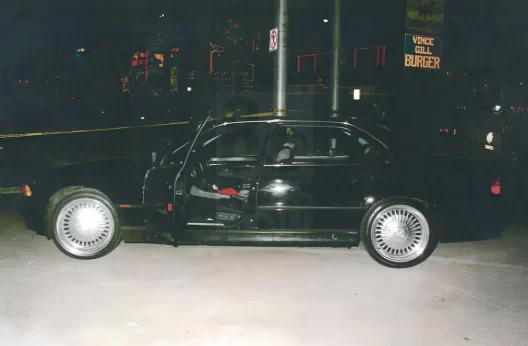
In the mid-1990s, Marion “Suge” Knight Jr. was not just a CEO; he was the most feared man in the music industry. With Death Row Records generating over $100 million annually at its peak, Knight’s lifestyle—characterized by a fleet of black BMW 750iLs, Club 662 in Las Vegas, and endless cigars—projected unimaginable wealth.
Today, however, the search for “Suge Knight net worth” returns a starkly different figure: Zero.
How does a mogul who owned the masters to The Chronic, Doggystyle, and All Eyez on Me lose everything? The answer isn’t just about spending; it is a forensic story of illegal seed money, “strong-arm” negotiation tactics, and a $107 million court judgment that finally pierced the corporate veil.
Here is the breakdown of the rise and fall of the Death Row fortune.
The Seed Money: Michael “Harry-O” Harris
To understand Suge Knight’s net worth, you must first identify where the capital came from. The narrative that Suge built Death Row solely on his own hustle is incomplete. The financial foundation of the empire was laid by Michael “Harry-O” Harris, an imprisoned drug kingpin seeking to launder legitimate funds into the entertainment world.
According to David Kenner, the lead attorney for Death Row (and the connective tissue between Knight and Harris), the label was a joint venture from day one. Kenner’s role was pivotal—he was not just a lawyer, but the architect of the label’s corporate structure.
The partnership was solidified at a lavish launch party at Chasen’s in Beverly Hills. The event, paid for entirely by Harris’s company, Godfather Entertainment, was the moment the industry took notice.
“The entire Chasen’s event was paid for by Godfather Entertainment,” recalls Dan O’Dowd. “When it came to David Kenner, he toasted the man who made it all possible, Harry-O.”
Even Lydia Harris, Michael’s wife, confirmed the timeline: “The day we did the Chasen’s party, they shipped Mike to Tehachapi State Penitentiary.”
While Suge Knight became the face of the operation, driving the first Benz 500 series purchased with company funds, the engine was fueled by Harry-O’s investment. This “silent partner” arrangement would ultimately become the ticking time bomb for Suge’s personal wealth.
The “Vanilla Ice” Incident: How Strong-Arm Tactics Build Wealth
Suge Knight’s ability to generate revenue was often based on a specific business model: Intimidation as leverage.
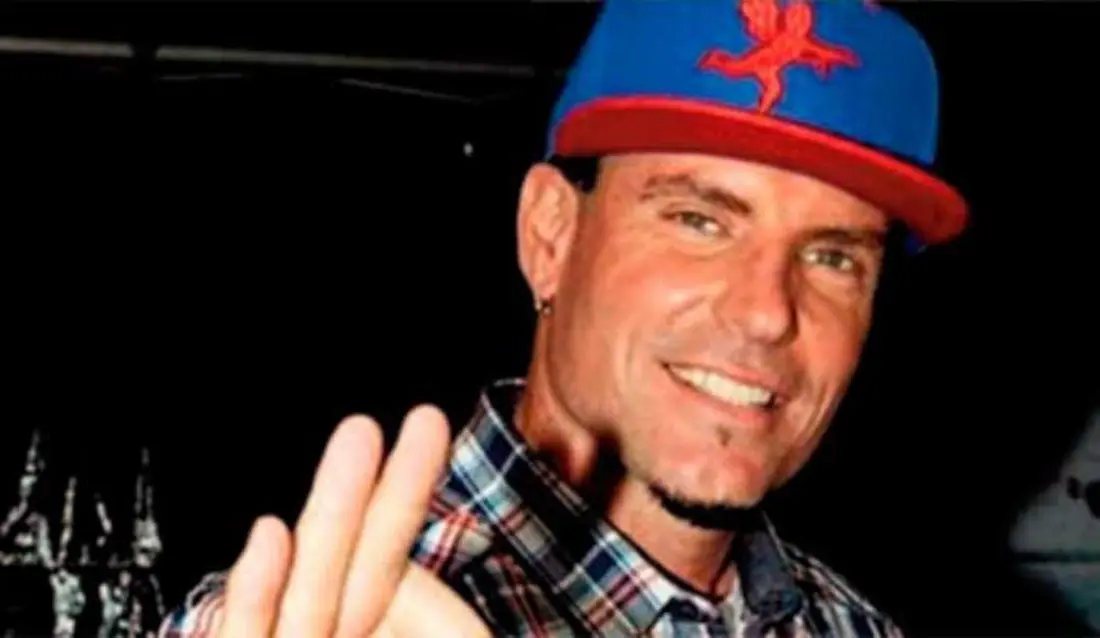
One of the most infamous urban legends in Hip Hop history involves Suge Knight, Vanilla Ice (Robert Van Winkle), and a hotel balcony. While pop culture focuses on the myth of Suge dangling the “Ice Ice Baby” rapper over the edge, the financial reality is far more calculated.
The dispute centered on royalties owed to Mario “Chocolate” Johnson, a songwriter who had contributed to Vanilla Ice’s hits but hadn’t been paid. Suge, utilizing his physical presence and reputation as a former bodyguard, stepped in to “negotiate.”
Virgil Roberts, a veteran industry attorney, clarifies the distinction between the myth and the money:
“Doesn’t mean (Vanilla Ice) didn’t get hung over a balcony, but if he did, it didn’t make him go pay.”
The payment came through a lawsuit against BMI and Van Winkle, forcing the transfer of publishing rights. Dick Griffey, founder of Solar Records and a mentor to Suge, noted: “We had to sue BMI and Winkle to recover that money. They never voluntarily gave up a dime.”
Vanilla Ice himself later described his relationship with the label in purely transactional, albeit coerced, terms:
“You could say I was an investor in Death Row Records with no return on my money.”
This incident proved to Suge that aggressive tactics could result in the acquisition of valuable publishing assets. This method worked for years—until it didn’t.
The 1996 Collapse & Bankruptcy: Where Did the Money Go?
The disintegration of Suge Knight’s net worth began in 1996 with the death of Tupac Shakur and the incarceration of Knight for probation violation. However, the financial death blow was legal, not criminal.
While Suge sat in Mule Creek Penitentiary, the initial “seed money” problem resurfaced. Michael “Harry-O” Harris and his wife Lydia sued, claiming they were cut out of the profits despite providing the initial capital.
In 2005, a judge awarded Lydia Harris a staggering $107 million judgment. This liability far exceeded the label’s liquid assets. To avoid paying the judgment, Death Row Records filed for Chapter 11 bankruptcy in 2006.
This filing revealed the chaotic state of the company’s finances. The assets—including the legendary master recordings that remained after Dr. Dre’s abrupt departure from Death Row—were seized.
- 2009: The assets were auctioned to Wide Awake Entertainment Group (a Canadian entity) for $18 million.
- 2013: The catalog was purchased by Entertainment One (eOne).
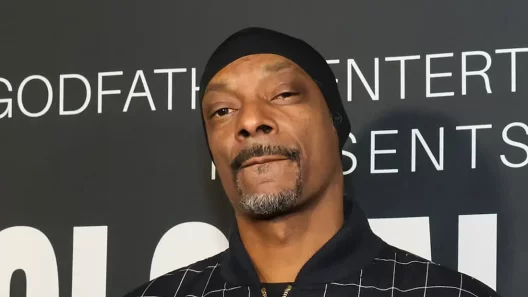
- 2022: In a full-circle moment, Snoop Dogg acquired the Death Row brand trademark from MNRK Music Group (formerly eOne), finally bringing the label back to the West Coast, minus Suge Knight.
Conclusion: The Legacy of Insolvency
Suge Knight’s net worth history is a case study in asset mismanagement. He possessed the most valuable intellectual property in Hip Hop history but lost it all due to a failure to legitimize his business practices.
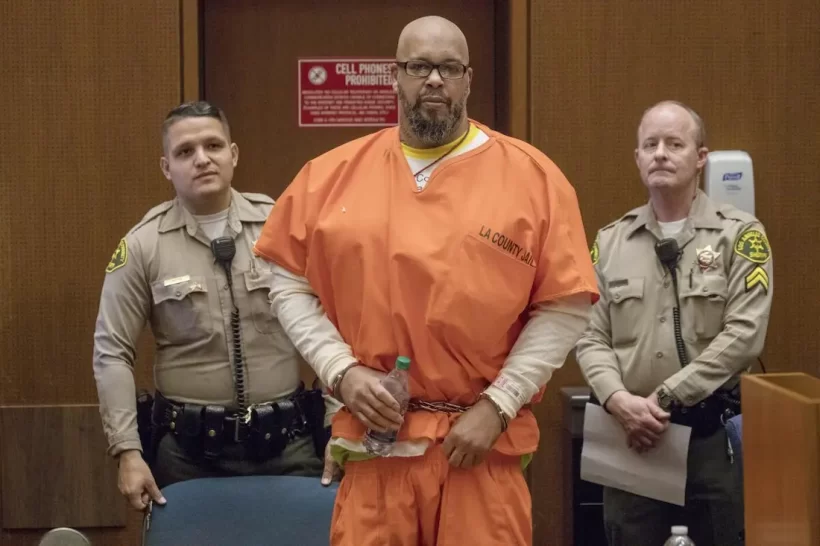
From the Chasen’s party funded by Harry-O to the courtroom bankruptcy auction, the wealth was real, but the ownership was always contested. Today, serving a 28-year sentence, Suge Knight’s balance sheet reflects the ultimate cost of the “Death Row” business model.
[…] 0January 20, 2026 Diverse Mentality […]
[…] his true legacy lies in what he did after he could no longer rap. He became the secret weapon of Death Row Records, operating as the primary Dr. Dre […]
[…] the West Coast was building empires based on exclusivity and restrictive contracts—where Suge Knight and Jerry Heller owned the masters and the artists were essentially high-paid employees—an […]
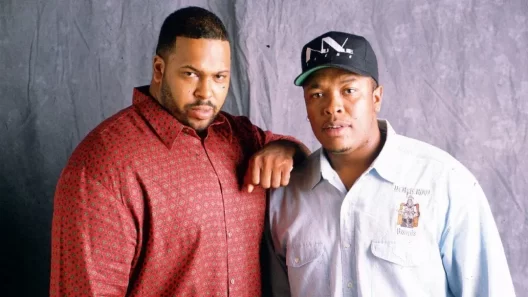
[…] 1996, the Dr. Dre and Suge Knight beef culminated in a final meeting. Dre held 50% ownership of Death Row Records, a stake that would be worth hundreds of millions today. He also owned a portion of the rights to […]
[…] Above the Law’s album was stuck in label purgatory, Dr. Dre left Ruthless Records to co-found Death Row Records with Suge Knight. He immediately began working on The Chronic, heavily supported by the […]
[…] the group headed toward Club 662 for a charity performance. Tupac rode in the passenger seat with Suge Knight driving the BMW 750iL. At approximately 11:15 P.M., the convoy stopped at a red light at the intersection of Flamingo […]
[…] Michael Harris. According to legal documents and Harris’s own confirmations, he provided Suge Knight’s startup capital for Death Row to launch the operation. The specific figure was $1.5 million. However, contrary to the belief […]