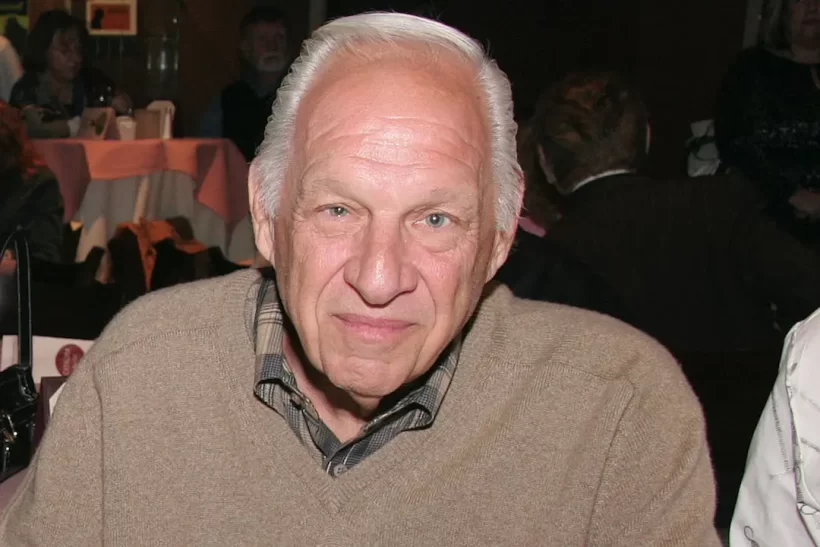
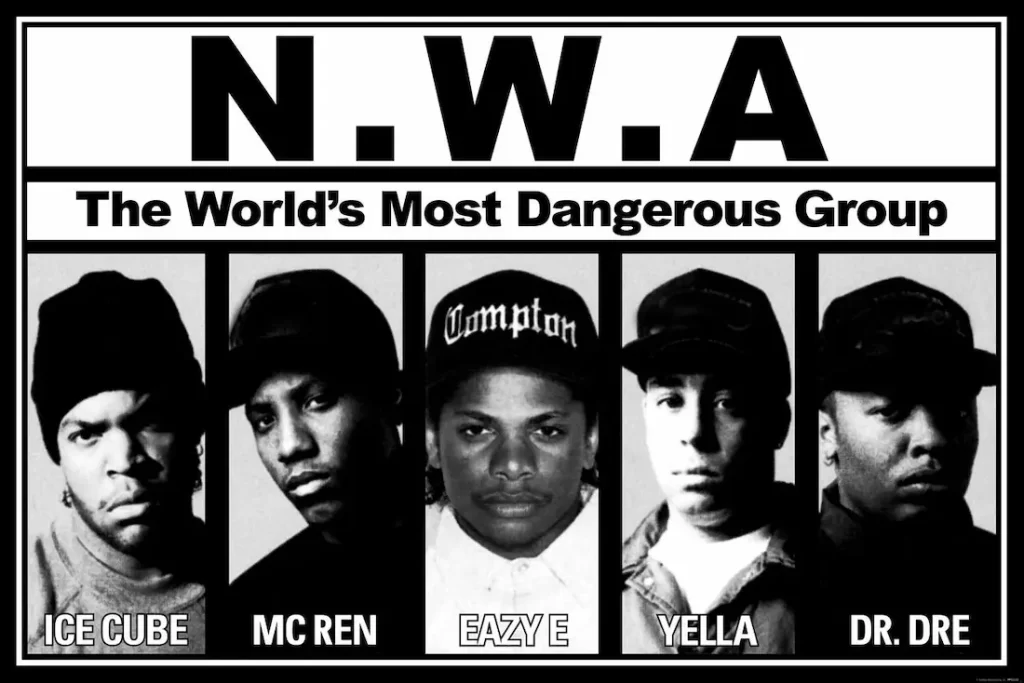
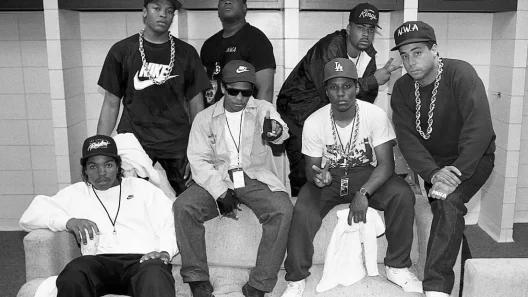
The story of N.W.A is often told through the lens of Hollywood, but the forensic reality is buried in ledgers and disputed signatures. While the film Straight Outta Compton depicts a clear-cut villain, the primary sources—including the late Jerry Heller and the Wright family—reveal a much more complex “business association.”
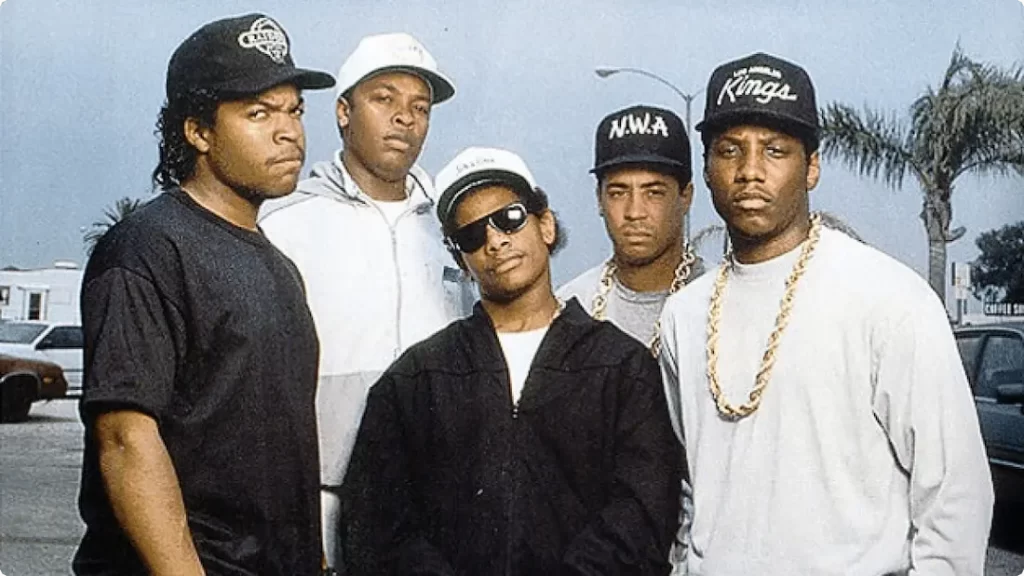
At the heart of the “World’s Most Dangerous Group” was the genesis of N.W.A and its ruthless startup capital, a financial structure that promised an empire but delivered a civil war.
The Ruthless Genesis: Heller’s “Business Associate”
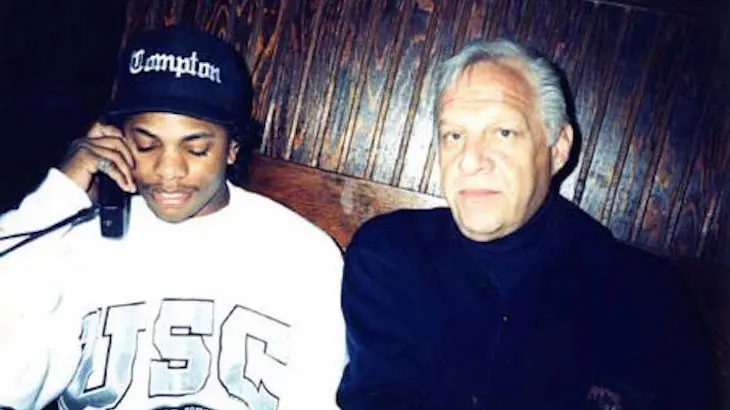
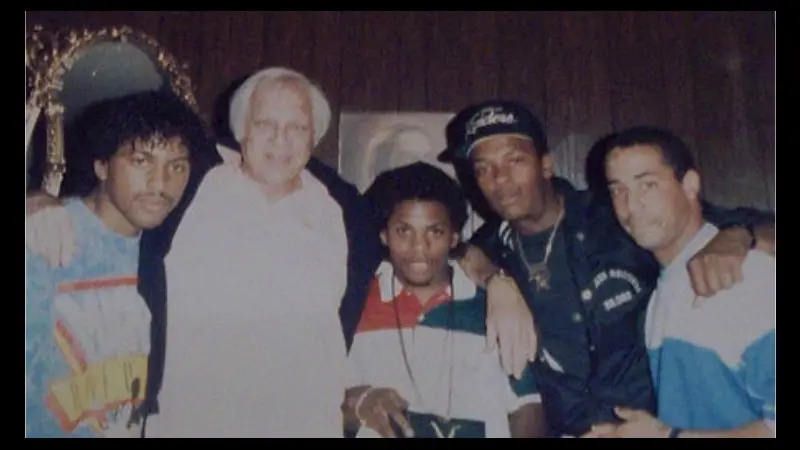
Contrary to the cinematic depiction where the meeting of Jerry Heller and Eazy-E (Eric Wright) feels like a chance encounter, Heller’s own records in his book Ruthless describe a calculated partnership. To Heller, Eazy-E was never just a “street kid”; he was a sophisticated “business associate” from day one.
Debunking the Cinematic Encounter
Heller recalls these early years as a “happier time,” viewing Eazy as a “good guy” who understood the necessity of a veteran manager to navigate the industry. From Heller’s perspective, the birth of Ruthless Records was a professional alignment meant to protect Eazy’s vision. However, this private bond between the manager and the label head created a structural “blind spot” for the rest of the group.
The Visionary vs. The Ledger: Eazy-E’s Financial Reality
Eazy-E was the charismatic pivot of the label. His son, Lil Eazy-E, emphasizes that Eric Wright was an entrepreneur who understood that “it ain’t over” just because a record was finished—he was building a legacy.
The Foundation of the Contractual Divide
However, the way Heller structured the company initially favored the “associate” bond. As N.W.A’s success snowballed, the collective interest of the group began to clash with the individual management style Heller exerted. The attritions didn’t start with creative differences; they started with the recording contract—the technical villain that transformed brothers into litigants.
The Breaking Point: Why Did Ice Cube Leave N.W.A?
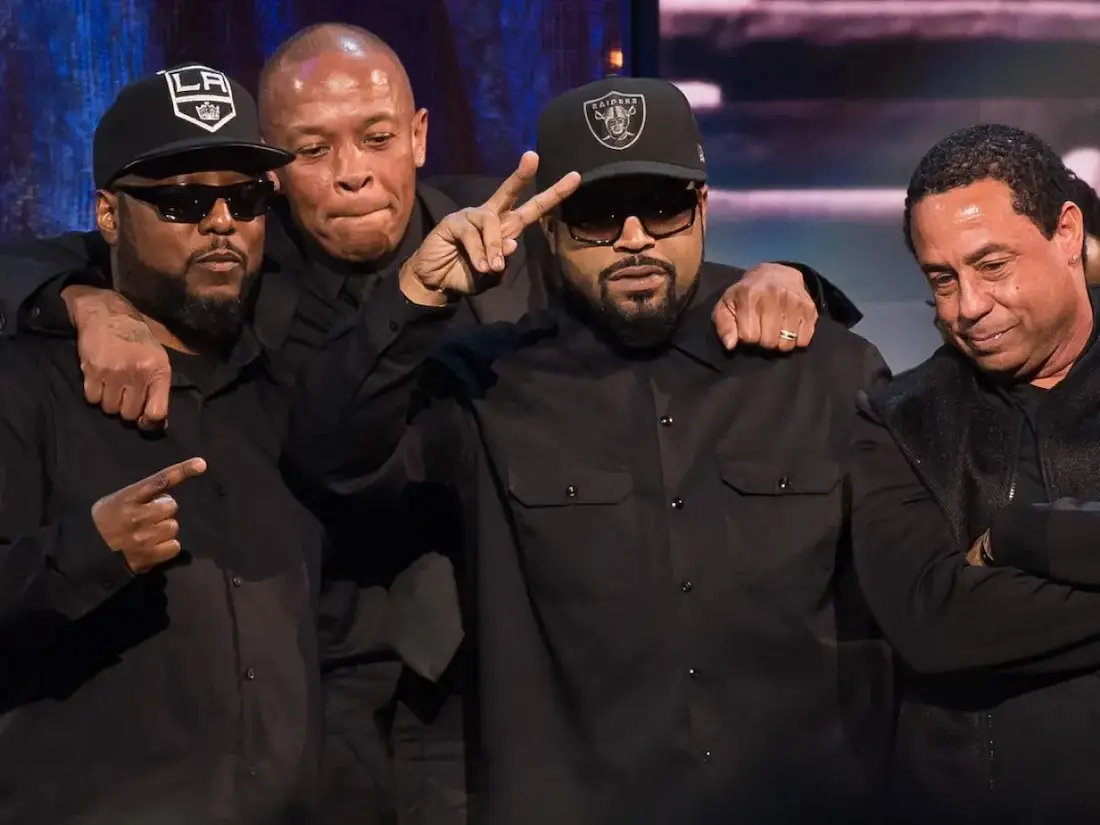
The first forensic crack in the foundation appeared in December 1989. O’Shea Jackson, known as Ice Cube, became the catalyst for the label’s destruction when he refused to sign a contract he deemed predatory.
Archaic Accounting vs. Global Success
The discrepancy was staggering: N.W.A had the world shouting “Fuck Tha Police,” generating millions in revenue for Ruthless and its distributor, yet the individual artists—excluding Eazy and Heller—were not seeing the proportional rewards. Cube’s exit was a revolt against the “divide and conquer” management style. He realized that while the music was revolutionary, the royalty accounting was archaic. This sent a shockwave through the camp, eventually leading to the moment when Dr. Dre left Ruthless Records to seek his own masters elsewhere.
Forensic Investigation: How Much Did Jerry Heller Steal from Eazy-E?
One of the most searched questions in Hip Hop history remains: did Jerry Heller steal from N.W.A? Or more specifically, did he betray his closest associate?
Lack of Transparency and the “Mob-Style” Loyalty
The allegations of financial misconduct have haunted Heller’s legacy. While the film suggests a direct theft, Heller spent his final years defending his record, claiming he made everyone more money than they ever would have seen without him. The question of “why did Eazy-E fire Jerry Heller” towards the end of Eric’s life suggests that even the primary “associate” eventually found discrepancies he couldn’t ignore. The forensic truth is often found in the lack of transparency; the “Mob-style” loyalty Heller demanded often stood in place of clear, audited financial reporting.
The Legacy: “It Ain’t Over”
Lil Eazy-E remains a crucial voice for the narrative. He protects the legacy against unilateral portrayals, stating that the story of Ruthless is still growing. He manages the “Rich & Ruthless” brand, ensuring that the image of his father as a visionary isn’t buried under the manager’s controversies.
Reclaiming the Wright Narrative
To the Wright family, the legacy is about transparency and reclaiming the narrative from those who “told the story in their perspective” without being there. Who owns Ruthless Records today is a matter of legal heritage, but the cultural ownership belongs to the fans who recognize the blueprint Eazy-E laid down.
Verdict: Genius Manager or Financial Predator?
Jerry Heller was undeniably a genius at breaking N.W.A into the white, suburban markets—a feat many thought impossible. He provided the industry “armor” Eazy-E needed.
Lessons from the Opaque Management Era
However, as a manager, his failure to evolve the group’s contracts as their success grew remains his greatest indictment. The N.W.A breakup changed the music industry forever; it taught rappers that the person who handles the money is as important as the one who handles the mic. Ruthless Records started as a dream of unity but ended as a forensic lesson in the dangers of opaque management. Today, the label exists as a testament to the fact that in the music business, “it ain’t over” until the last royalty check is cleared.
[…] 0February 6, 2026 Diverse Mentality […]
[…] This startup capital allowed Ruthless Records to operate without the oversight of major labels initially, giving Eazy-E total control. He was the sole financier, which meant he was the sole owner—a distinction that would later define the contractual issues that led to the fall of N.W.A.. […]
[…] Coast was building empires based on exclusivity and restrictive contracts—where Suge Knight and Jerry Heller owned the masters and the artists were essentially high-paid employees—an anomaly was forming in […]