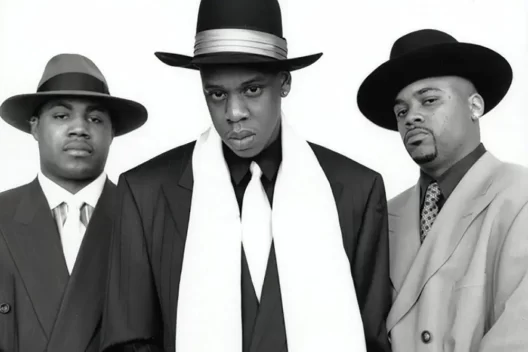
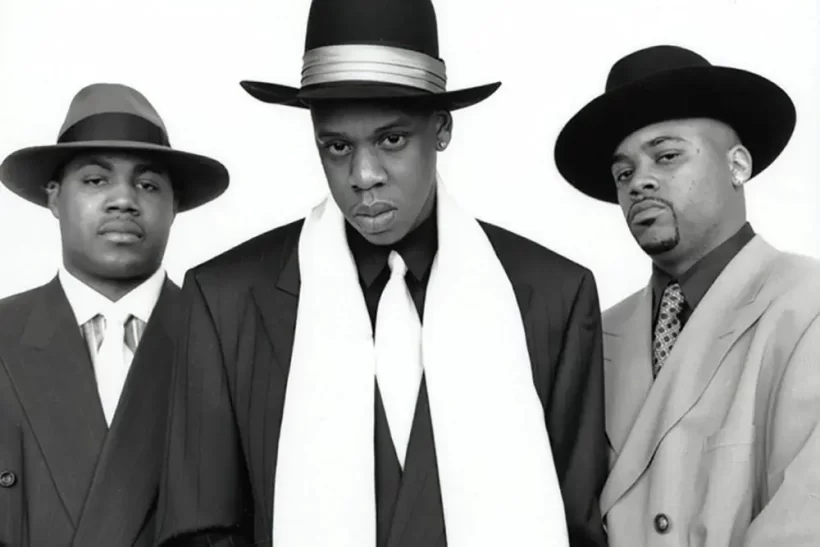
If the West Coast was defined by artists trapped in exploitative deals, and the early East Coast was defined by the RZA 5-Year Plan of decentralization, the ultimate evolution of the hip-hop business model was forged by three men from Brooklyn. Shawn “Jay-Z” Carter, Damon “Dame” Dash, and Kareem “Biggs” Burke didn’t just want to participate in the music industry; they wanted to own the infrastructure.
The story of Roc-A-Fella Records is the pinnacle of the “Boss Model.” It is a forensic masterclass in leverage, corporate infiltration, and the ruthless acquisition of intellectual property.
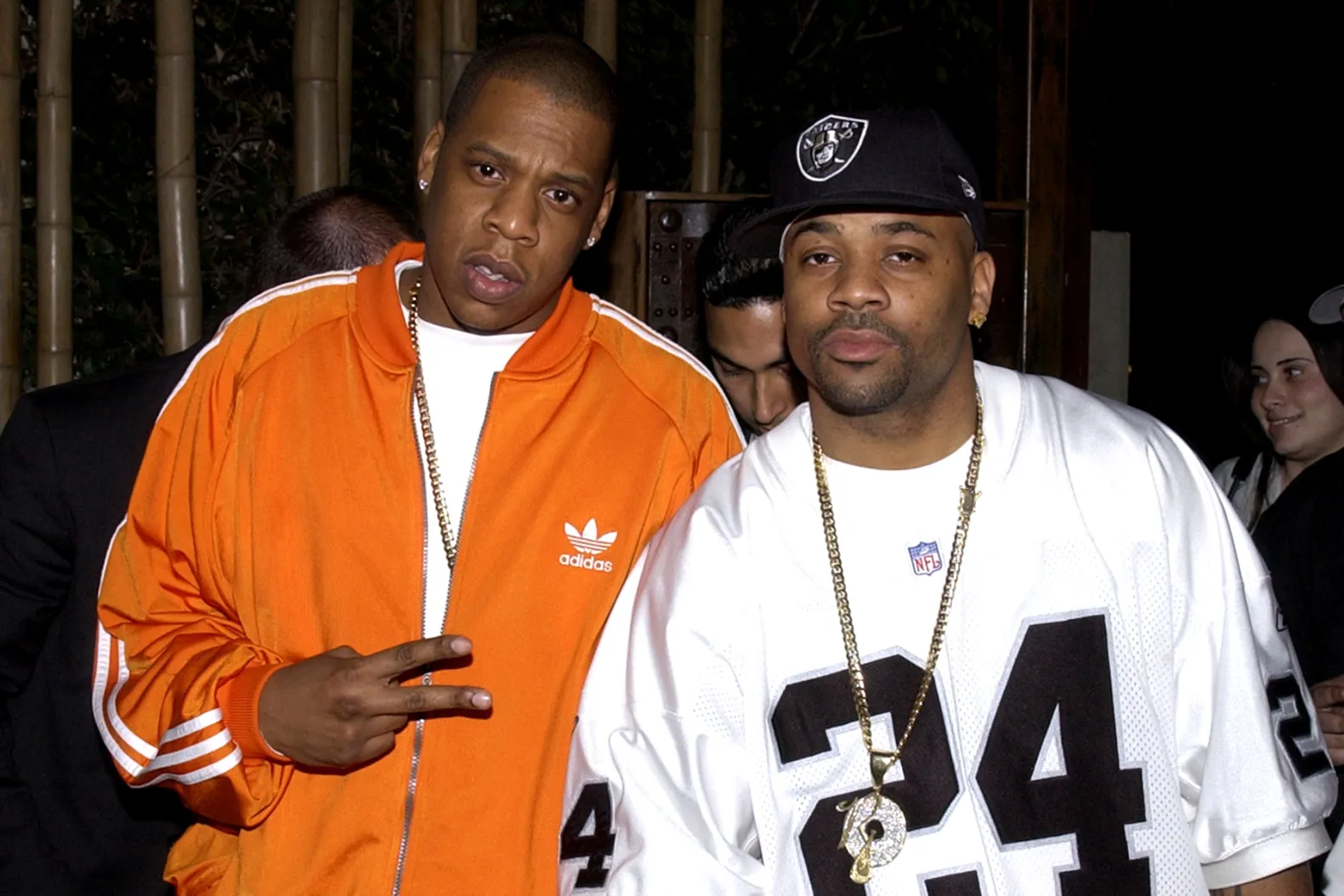
From the Trunk to the Def Jam 50/50 Joint Venture
Before they were negotiating in corporate boardrooms, the founders operated on a strictly independent “Proof of Concept” model. Because major labels initially passed on Jay-Z, the trio funded the pressing of CDs themselves, physically selling the product out of the trunks of their cars—a gritty, grassroots approach that directly mirrored the early days of the Ruthless Empire on the West Coast. This undeniable street-level demand forced the industry’s hand, leading to a distribution deal with Priority Records in 1996 for the release of Reasonable Doubt.
However, the true financial pivot happened the following year. So, who owns Roc-A-Fella Records? The answer defined an era.
In 1997, rather than signing a standard artist contract, Roc-A-Fella sold a 50% stake in their label to Def Jam Recordings (under the Universal Music Group umbrella) for exactly $1.5 million.
This established a historic 50/50 Joint Venture. It meant that Roc-A-Fella wasn’t merely an imprint; they were equal partners sharing the profits, risks, and operational control with one of the most powerful corporate machines in the world.
The Rocawear Economy: A $204 Million Sale
The Roc-A-Fella model understood that music was simply the marketing engine for a larger lifestyle brand. The trio launched the apparel line Rocawear, tapping into a massive urban fashion market.
While fans debated lyrics, the founders were debating equity. By asking who owns Rocawear, you uncover one of the most calculated corporate buyouts in hip-hop history. In March 2007, Jay-Z orchestrated the sale of the Rocawear clothing brand to the Iconix Brand Group for a staggering $204 million.
Through this Brand Acquisition, Jay-Z secured generational wealth and maintained an oversight role in the company, while effectively ousting his former partner, Dame Dash, from future dividends and control of the empire’s most liquid asset.
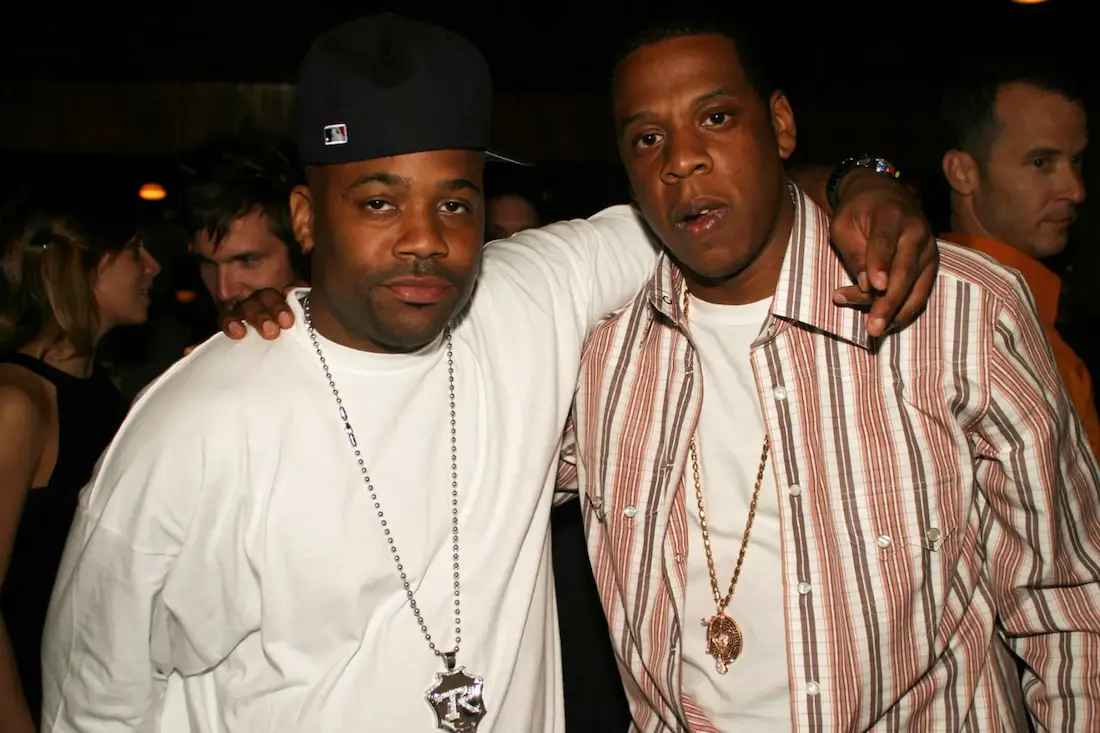
The Boss Infiltration: Jay-Z as President of Def Jam
The ultimate corporate maneuver came when the artist became the executive. As internal dynamics shifted and Dame Dash’s unpredictable management style alienated corporate partners, Jay-Z made an unprecedented move: he accepted the position of President of Def Jam.
He didn’t just renegotiate a record deal; he took over the parent company. Serving as the CEO and President of Def Jam for three years allowed Jay-Z to learn the inner workings of the global music business from the highest possible vantage point. He went from being an asset on the balance sheet to the man managing the balance sheet.
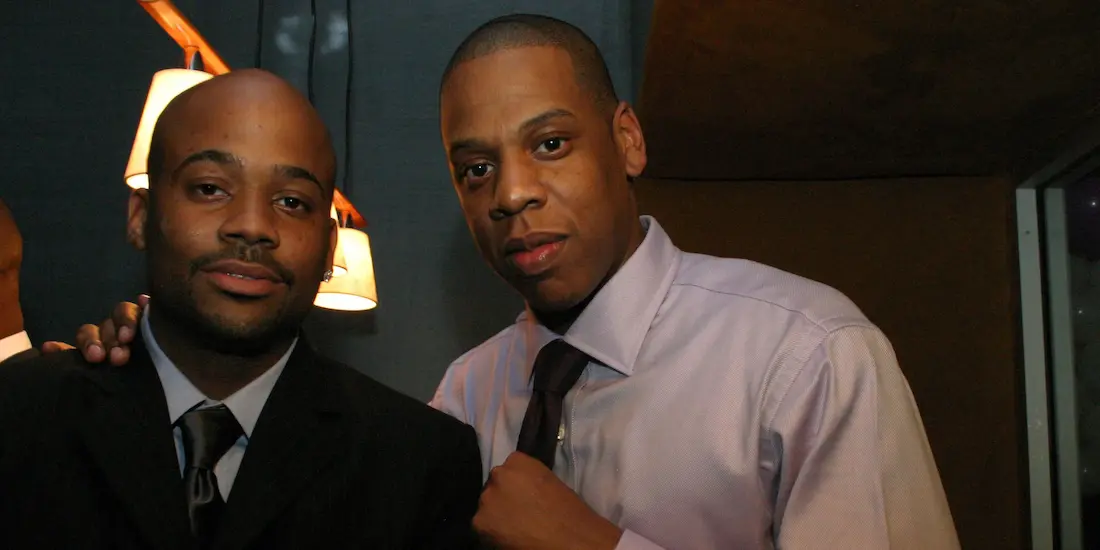
The Ultimate Trade: Getting the Masters Back
The presidency, however, was a calculated means to a very specific end. In the music industry, the true measure of wealth and power is intellectual property. Fans constantly ask: does Jay-Z own his masters? The answer lies in the ultimate forensic trade.
During the negotiations to take the executive role, Jay-Z used his leverage against L.A. Reid, the head of Universal/Def Jam. The clause was simple but revolutionary: Jay-Z agreed to serve as President in exchange for the gradual return of his entire catalog’s master recordings, effectively securing the Reasonable Doubt masters and everything that followed. While other artists were fighting in court to simply get paid royalties, Jay-Z legally repossessed the actual asset.
The Aftermath: Jay-Z vs. Dame Dash Net Worth
Today, the financial disparity between the founders serves as a brutal lesson in corporate structuring and asset management. If you look at the Dame Dash net worth today compared to Jay-Z’s, the contrast is stark.
Jay-Z is a certified billionaire. He retained the appreciating assets (his Masters) and secured massive liquid capital (the $204 million Rocawear sale).
Dame Dash, conversely, squandered his corporate capital. The forensic details of his downfall are a stark warning: in 2024, to satisfy a legal judgment and a staggering debt of $823,000, Dash’s remaining 33.3% share in Roc-A-Fella Records was put up for public auction. In a humiliating conclusion to a once-mighty dynasty, that foundational one-third stake was purchased by the State of New York for a mere $193 (plus administrative commissions).
The Roc-A-Fella business model proved that street hustling can build a brand, but only cold, calculated corporate governance—and owning your masters—can secure an empire.