Introduction: Desperation and Opportunity
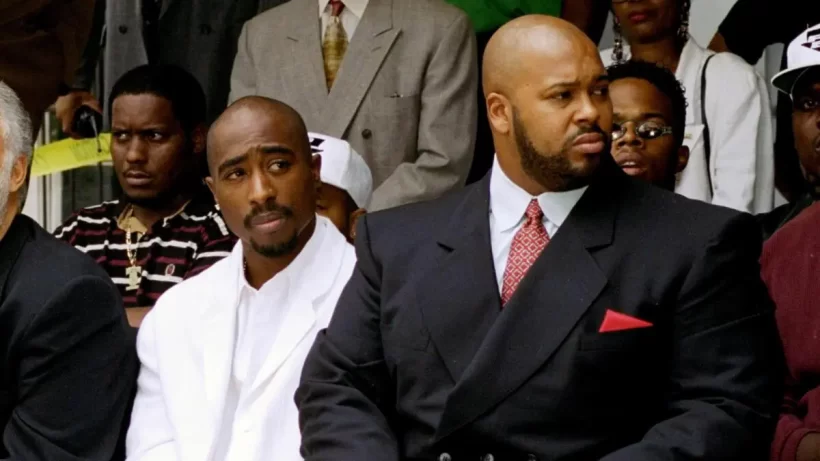
In October 1995, the most electrifying voice in hip-hop was silenced behind the walls of a maximum-security prison. Tupac Death Row history begins here, in a moment of absolute desperation. Convicted of sexual abuse and facing years of incarceration, Tupac Shakur was broke, isolated, and running out of legal appeals. He needed a savior. Enter Marion “Suge” Knight. While other labels hesitated to touch a convicted felon, Death Row Records saw an opportunity to acquire a generational talent at a distressed price. The partnership that followed would change music history, but the financials behind it reveal a much darker reality than the public perception of a “brotherhood.”
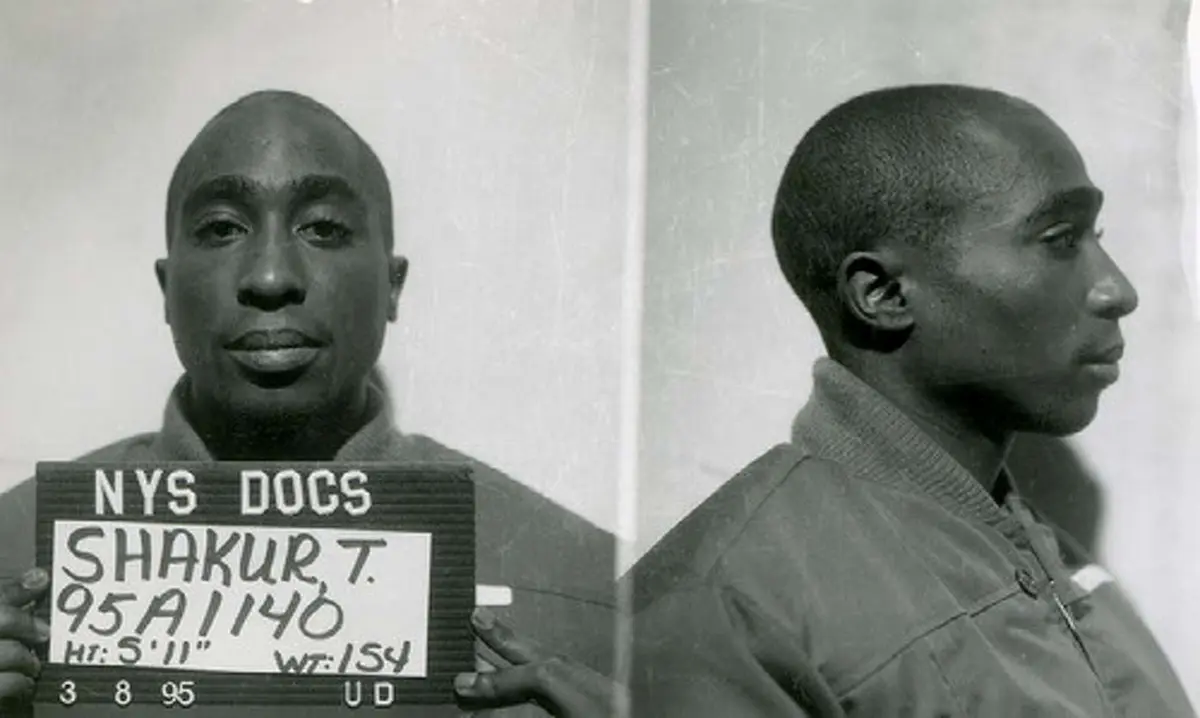
Tupac And The Clinton Correctional Facility
The negotiations didn’t take place in a boardroom in Los Angeles, but inside the Clinton Correctional Facility, Tupac was calling home in upstate New York. The power dynamic was entirely skewed. On one side, Suge Knight and his attorney David Kenner, representing the hottest record label in America. On the other, a 24-year-old artist desperate for freedom. According to legal experts who later reviewed the events, the environment itself rendered the agreement questionable. As Charles Ogletree Jr., a lawyer who would later represent Tupac, famously stated:
“It was absurd that anyone with an opportunity to reflect would agree to those terms. It was only because he was in prison that he signed it.”
The Financials: How did Suge Knight get Tupac out of jail?
A common myth is that Suge Knight opened a briefcase full of his own cash to free Tupac. The financial trail tells a different story. How did Suge Knight get Tupac out of jail? He used corporate leverage, not personal wealth. Documents reveal that Interscope and Atlantic Records—Death Row’s distributors and parent partners—were the ones who actually put up the $1.4 million bond required for Tupac’s release. Suge Knight’s role was “greasing the wheels” and orchestrating the logistics, but he didn’t supply the capital. Crucially, this wasn’t a gift. The $1.4 million bond was structured as an advance on Tupac’s future royalties. Essentially, Tupac paid for his own freedom by mortgaging his future earnings before he even stepped into a recording booth.
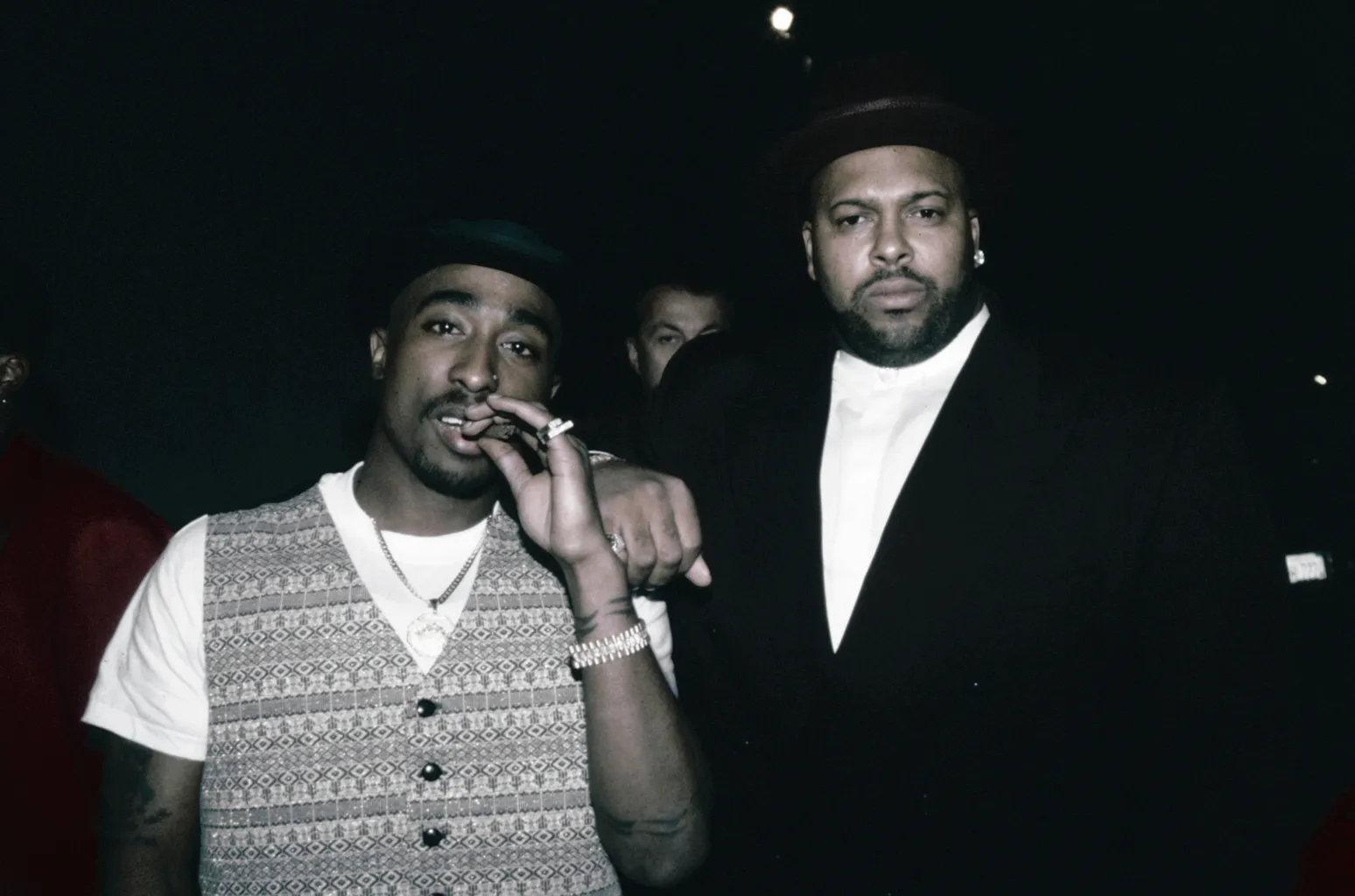
The Chains: The Tupac Death Row Contract
The document signed in prison—often described as a handwritten note or a hastily drafted agreement—contained terms that tied Tupac to the label in an unprecedented way.
The “3 Album” Clause
he core of the Tupac Death Row contract bound the artist to deliver three albums to the label. Considering the volatility of the rap game, this was a lifetime commitment. In exchange, the deal promised:
- An advance of at least $1 million per work.
- $500,000 in expenses, allocated specifically as $125,000 for a car and $250,000 for a legal defense fund.
The Conflict of Interest
The most predatory aspect of the deal was the structural conflict of interest. Suge Knight positioned himself as both Tupac’s manager AND the CEO of the record label. In a standard industry deal, a manager fights the label to get the best terms for the artist. In this scenario, the manager (Suge) was negotiating with himself (Death Row), ensuring the house always won. As Ogletree noted, “It wasn’t a legal contract” in the traditional sense; it was an acquisition.
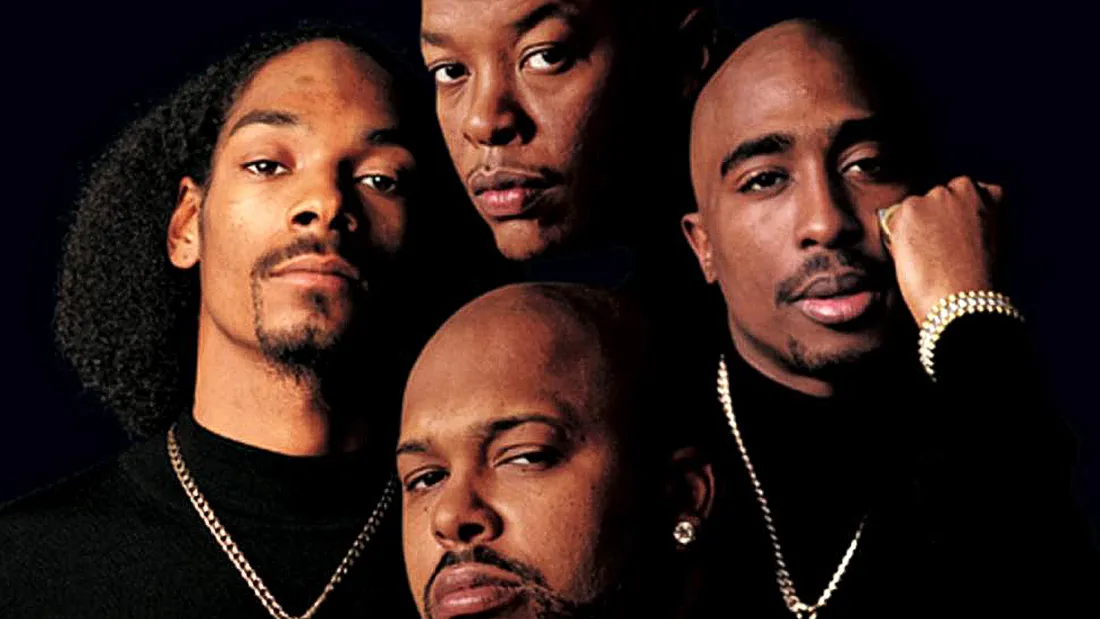
The Signing Bonus: Death Row Records chain Tupac and Material Spoils
If the paperwork was draconian, the immediate perks were designed to blind the artist with luxury. The deal included “front-end benefits” to satisfy Tupac’s immediate needs and image.
- Family Security: The deal explicitly included purchasing a house for Afeni Shakur, Tupac’s mother, securing her financial stability.
- Material Wealth: The contract provisioned for “material spoils galore,” including vehicles, vacations, and the jewelry that would become iconic. The Death Row Records chain Tupac wore wasn’t just a gift; it was a branding iron, marking his allegiance to the new regime.
The Exit
Less than a month after the negotiations began, the bond was posted. The scene outside the prison was cinematic: a white limousine waited outside Clinton Correctional Facility to take Tupac directly to a private plane. He was free, but he was now the property of Death Row Records. The ‘Deal with the Devil’ was signed, sealed, and delivered, setting the stage for Tupac’s final days in Las Vegas.
[…] 0January 9, 2026 Diverse Mentality […]
[…] year, Anderson had allegedly robbed a Death Row affiliate. Seeking revenge, Tupac attacked him. Suge Knight and the rest of the crew joined the assault, kicking and stomping Anderson before security […]
[…] for Black Mafia Life—specifically tracks like “Call It What U Want” featuring Tupac Shakur—showcased the fully developed G-Funk sound: the whining Moog synthesizers, the deep basslines, […]