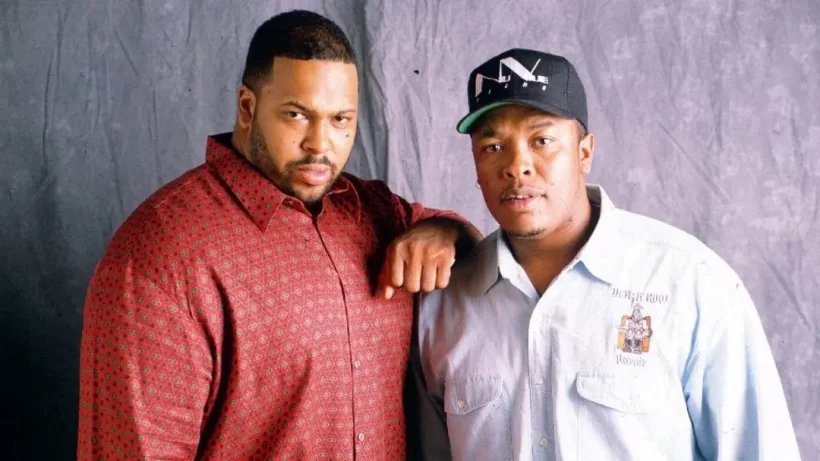
In 1996, Andre Young (Dr. Dre) walked away from the most successful record label in the world. He didn’t leave for “creative differences.” He didn’t leave because he wanted to retire.
The forensic truth is that Dr. Dre escaped to save his life, leaving approximately $50 million on the table.
While the public narrative focuses on the Dr. Dre and Suge Knight beef, the reality involves arson, assaults, and a terrifying ultimatum. Here is the breakdown of how the architect of G-Funk was forced to trade his Master Recordings for his freedom.
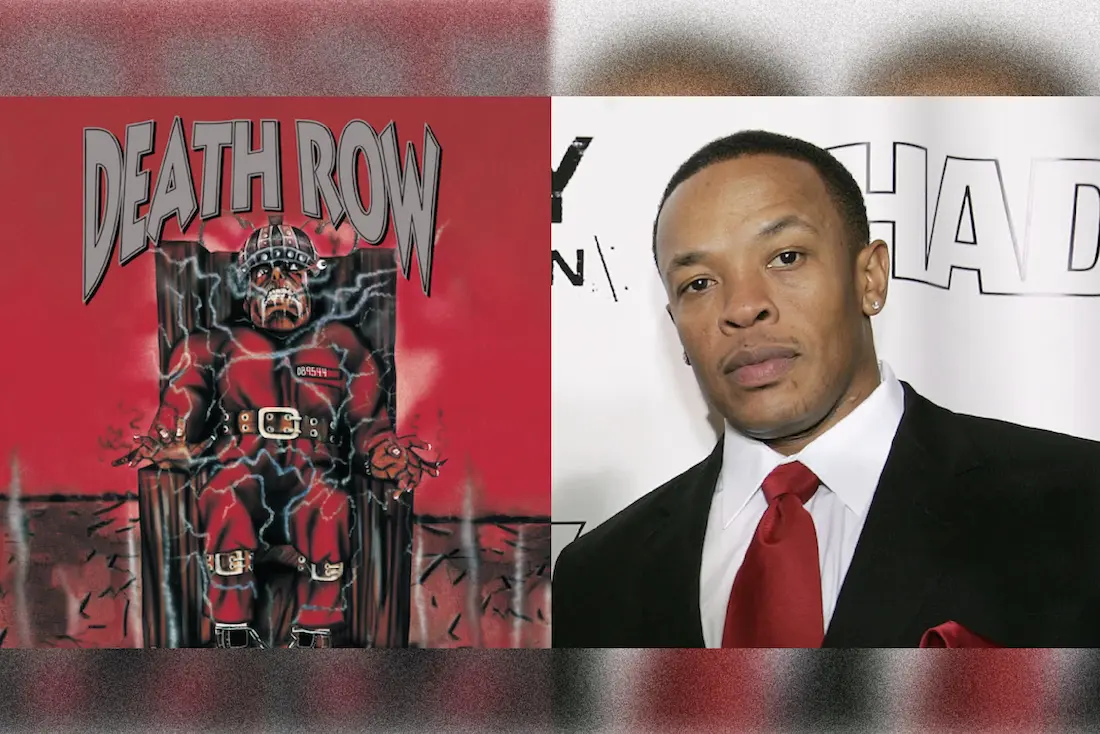
The Toxic Environment: “Pissing on Floors” & Beatings
By 1995, Death Row Records had transformed from a music label into what insiders described as a “gangsta playground.” The atmosphere at Can-Am Studios had become unworkable for a perfectionist like Dre.
According to sources close to the label, Suge Knight had implemented a “Mob-style management” system. The studio wasn’t just about recording; it was a venue for humiliation. Eyewitness accounts detail incidents where Suge would allegedly engage in deviant behavior, such as urinating on people or forcing staff into degrading situations.
The violence was palpable. While the label was publicly fighting Snoop Dogg’s murder trial, internally the atmosphere was crumbling. Dre, who had built his career on the music, found himself isolated. Even figures like The D.O.C., who had originally introduced Suge to the business, were alienated by his behavior. Sources confirm that Suge was beating people up routinely, and the “security” looked more like a private militia. Dre’s stance was clear to those around him: “I don’t like this s**.”* He wasn’t there to be a gangster; he was there to be a producer. But the environment had shifted from creativity to fear.
The Warning Signs: The Calabasas Villa Fire
The tension wasn’t confined to the studio; it followed Dre home. One of the most chilling “forensic” pieces of evidence regarding the danger Dre faced occurred at his French Colonial-style residence in the 5300 block of Newcastle Lane, Woodland Hills (often referred to as the Calabasas area).
A massive fire ripped through the property, destroying the attic and the shingled roof. The damage was so severe that Amanda Kohls, a neighbor who witnessed the aftermath, stated:
“It looks like a dinosaur ate a huge chunk out of it.”
While fire officials estimated the damage at $125,000 and arson investigators were initially called (though later called back as the cause officially appeared undetermined), the timing was suspicious to everyone involved.
This wasn’t an isolated incident involving fire. Sources close to the situation, including singer Michel’le (Dre’s former fiancée and mother of his child), alleged that Suge Knight had set a car on fire—belonging to her or her mother—as an intimidation tactic. For Dre, the message was written in ash: his physical safety, and that of his family, was no longer guaranteed.
The “Escape” Contract: Trading Masters for Life
In 1996, the Dr. Dre and Suge Knight beef culminated in a final meeting. Dre held 50% ownership of Death Row Records, a stake that would be worth hundreds of millions today. He also owned a portion of the rights to The Chronic, the album that built the empire.
However, Jimmy Iovine and Interscope needed Dre out of the volatile situation to ensure his safety. The terms of his exit were not a negotiation; they were a surrender.
To get out, Dre had to leave with nothing. According to transcripts regarding the split, Dre’s attitude was:
“F** this dude, you can have everything, I’m gone.”*
He signed over his half of the company. He walked away from the Master Recordings of his classic albums. He left the royalties. He essentially paid a multi-million dollar ransom for his own freedom. Tupac Shakur, who had recently signed his Death Row contract, reportedly felt betrayed by this departure, viewing it as abandonment just as he was arriving, further fueling the tension.
The Aftermath: Starting from Zero
Dr. Dre was free, but he was starting over. He founded Aftermath Entertainment, but the transition wasn’t smooth. His compilation album, Dr. Dre Presents: The Aftermath, received mixed reviews and is often considered a commercial flop compared to his previous standards.
Critics whispered that Dre was finished—that Suge had the magic and Dre was just a beatmaker. The industry watched the album struggle to find its footing.
But Dre had bet on himself. The gamble paid off when he discovered a white rapper from Detroit named Eminem. The success of Eminem proved that Dre didn’t need Death Row; Death Row needed Dre. While Suge Knight eventually went to prison and the Death Row empire crumbled into bankruptcy, Dr. Dre built a new dynasty, proving that walking away from the money in 1996 was the smartest business move of his life.
[…] finances. The assets—including the legendary master recordings that remained after Dr. Dre’s abrupt departure from Death Row—were […]
[…] War Winner: Dr. Dre Dr. Dre won the legacy. He survived the collapse of Death Row following his exit from the label, founded Aftermath, and discovered Eminem and 50 Cent, becoming hip-hop’s first billionaire […]