While the West Coast was building empires based on exclusivity and restrictive contracts—where Suge Knight and Jerry Heller owned the masters and the artists were essentially high-paid employees—an anomaly was forming in Staten Island.
The Wu-Tang Clan was not just a rap group; it was a financial holding company disguised as a musical act.

The Anti-Death Row
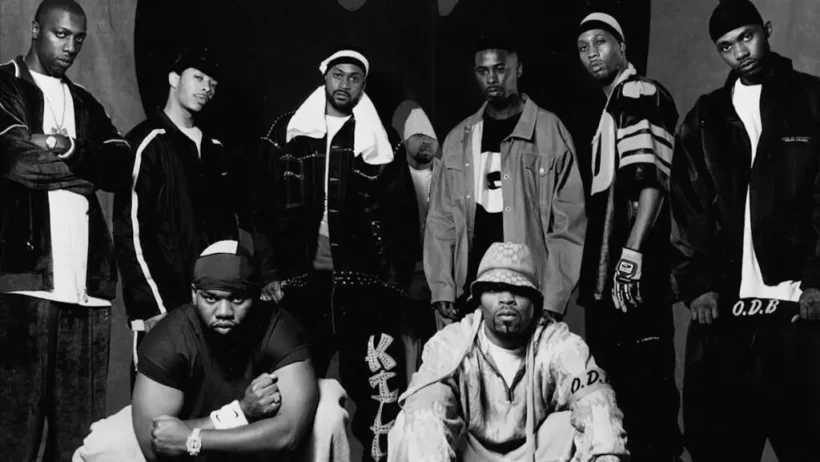
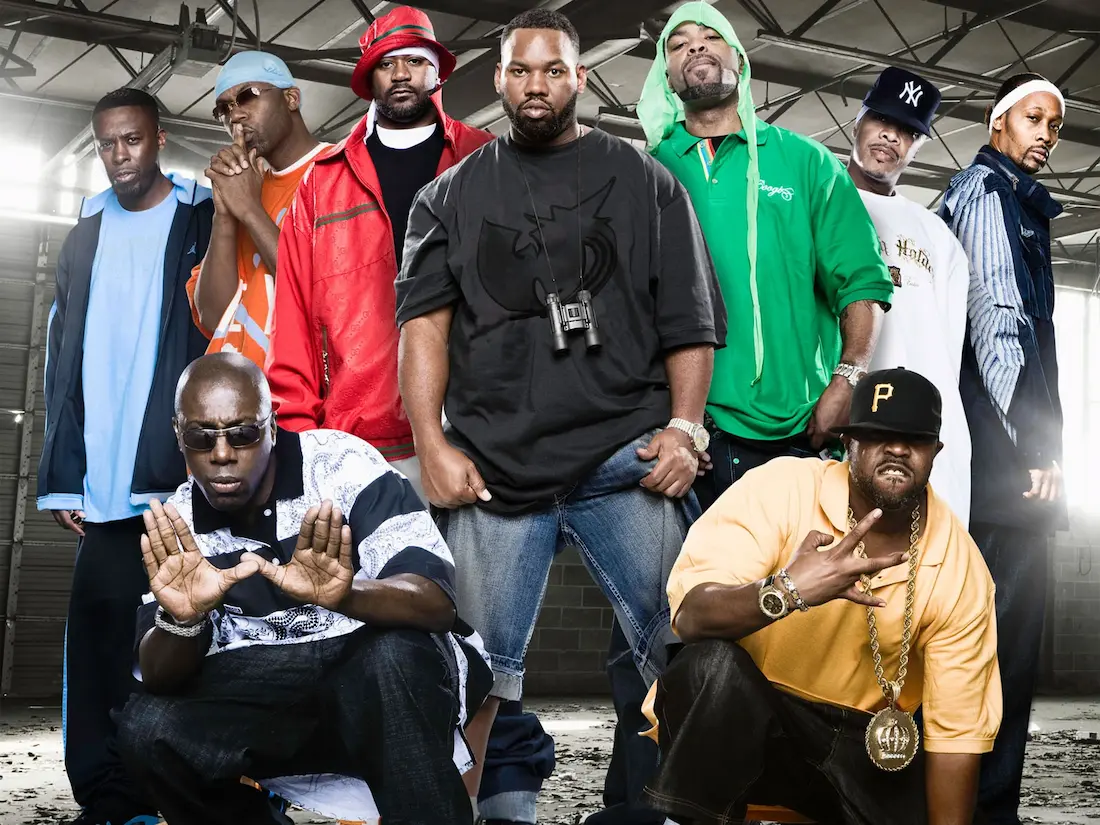
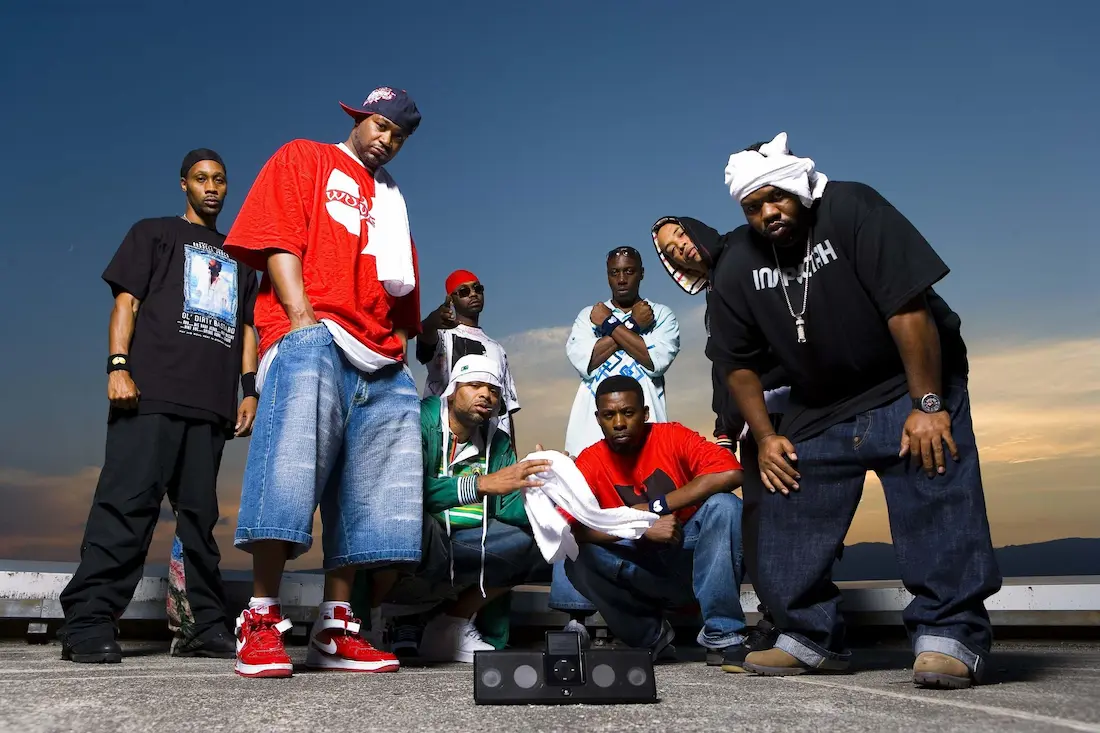
To understand the magnitude of what happened in 1993, one must look at the roster. The Wu-Tang Clan members—RZA, GZA, Ol’ Dirty Bastard, Method Man, Raekwon, Ghostface Killah, Inspectah Deck, U-God, and Masta Killa—were effectively nine sole proprietorships agreeing to a federation.
RZA, the de facto CEO, constructed a business model that was the exact inverse of Death Row Records. Instead of centralizing power to keep artists locked in, RZA’s plan was to use the group to launch individual careers that would compete against each other in the marketplace, yet funnel revenue back to the central brand. It was a strategy of “controlled decentralization.”
The $36,000 Gamble: “Protect Ya Neck” & The Leverage
Before they could dictate terms to corporate America, they needed leverage. RZA, along with his brother Mitchell “Divine” Diggs and Oliver “Power” Grant —whose recent passing in early 2026 marked the loss of a true hip-hop business visionary—, knew that walking into a label meeting with just a demo tape would result in a standard, predatory contract.
The Financials of “Enter the Wu-Tang”
The production of their debut album, Enter the Wu-Tang (36 Chambers), is a case study in lean startup management. While the group was eventually given a recording budget of around $55,000, RZA managed to produce the entire masterpiece for just $36,000.
This financial discipline started with their debut single. Protect Ya Neck was not funded by a major label; it was a DIY operation. The group pooled their money to press the vinyl themselves. RZA then physically drove the records to DJs and radio stations, creating a “false scarcity” and a legitimate underground buzz. By the time the majors came calling, Wu-Tang wasn’t asking for a favor; they were offering a proven product with existing market demand.
The Contract: The “Freedom of Movement” Contract
This is where the forensic history of Hip Hop changes forever. In 1993, every major record label wanted to sign the Wu-Tang Clan, but they all refused RZA’s primary condition.
Only one executive understood the vision: Steve Rifkind of Loud Records (distributed by RCA).
The $60,000 Trade-Off
RZA and the Clan accepted a shockingly low advance payment—reportedly just $60,000 for the entire group (split among nine members and management). In the context of the music business, this was peanuts.
Why did they accept it? To secure the “Freedom of Movement” clause. The Wu-Tang Clan contract stipulated that while the group was signed to Loud Records, each individual member was free to sign a solo deal with any other record label.
This was unheard of. Usually, a label locks down an artist for everything. RZA hacked the system: he got Loud Records to finance the launch of the brand, while reserving the right to sell the spinoff products (the solo albums) to Loud’s competitors.
The 5-Year Dictatorship (RZA’s Plan)
Democracy does not build empires; strategy does. RZA knew that nine different voices would lead to chaos. So, he proposed a “blood pact” to the other members.
“Give Me 5 Years”
RZA famously told the group: “Give me five years, and I promise that I will get us to the top.”
It was a voluntary dictatorship. For that five-year window, RZA from the Wu-Tang Clan had absolute veto power. He produced every beat, he decided which verses made the final cut, he determined the track sequencing, and most importantly, he decided which member signed to which label. It was a centralized command economy designed to maximize the brand’s value before allowing the members to take creative control later.
The Spinoff Empire (Validation of the Model)
The “Freedom of Movement” clause allowed Wu-Tang to flood the market without cannibalizing their own sales. RZA strategically placed each member at a different major label, effectively turning the competitors into partners in the Wu-Tang success story.
The Strategic Placements:
- Method Man at Def Jam: RZA sent the most commercially viable member to Def Jam. The resulting album, Tical, established the Clan as a mainstream force.
- GZA at Geffen: For the lyrical purists, RZA secured a deal with Geffen Records. The result was GZA’s Liquid Swords, a dark, cerebral album that sold massively thanks to the major distribution power of Geffen, accessing a completely different demographic than Method Man.
- ODB at Elektra: RZA moved Ol’ Dirty Bastard to Elektra Records, securing a substantial budget and creative freedom for the group’s most unpredictable wildcard.
By 1995, you could not walk into a record store without seeing a Wu-Tang logo, but the money was coming from Def Jam, Geffen, Elektra, and RCA simultaneously.
The Wu-Wear Economy: $25 Million Merch Machine
While RZA handled the music and Divine handled the management, Oli “Power” Grant saw an opportunity that no other rap act had fully exploited: clothing.
The Logo as a License
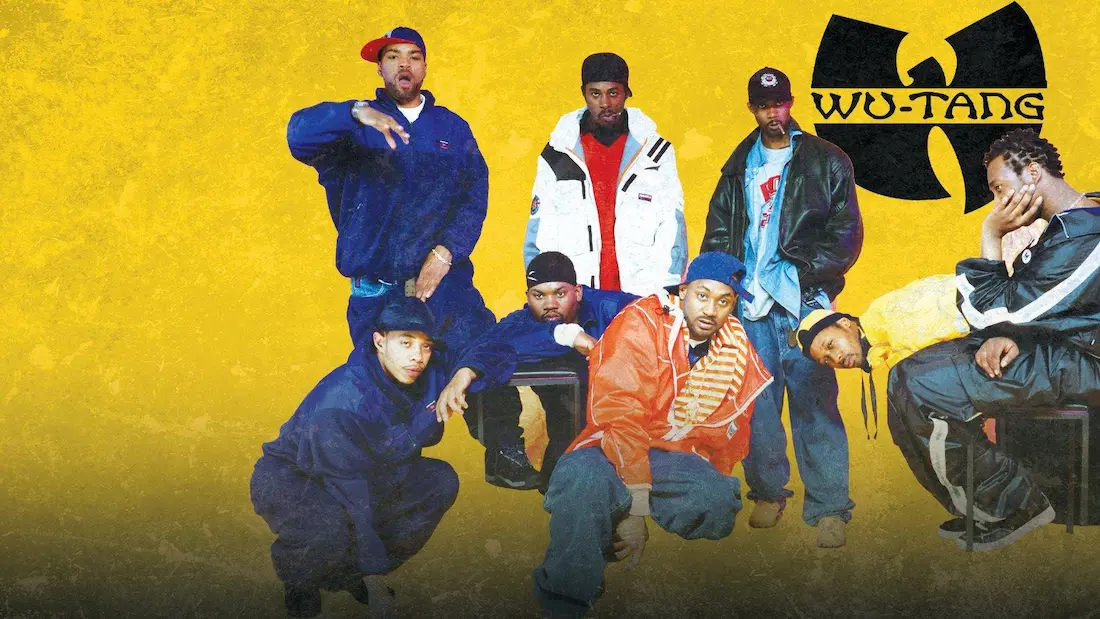
Most artists treated merchandise as an afterthought—a few t-shirts sold at concert venues. Power envisioned Wu Wear from Wu-Tang Clan as a standalone fashion brand. They opened a flagship store in Staten Island (Shaolin) and, in a brilliant marketing move, forced the artists to wear the clothes in their music videos.
Instead of paying for product placement, they were the product placement. At its peak, the Wu-Wear brand was generating $25 million annually. This revenue stream was entirely independent of record sales or royalties, proving that the “W” logo had become a global icon comparable to the Nike Swoosh or the Rolling Stones’ tongue.
The Legacy of the “W”
The Wu-Tang Clan remains the most successful business experiment in Hip Hop history. RZA’s willingness to sacrifice short-term cash (the $60k advance) for long-term control (the Freedom clause) fundamentally proved that artists could leverage their intellectual property to hack the major label system.
While the West Coast empires of Death Row and Ruthless crumbled under the weight of exclusivity wars and internal financial disputes, the Wu-Tang federation thrived. They didn’t just rap about money; they rewrote the contracts that governed it.
[…] 0February 20, 2026 Diverse Mentality […]
[…] Coast was defined by artists trapped in exploitative deals, and the early East Coast was defined by the RZA 5-Year Plan of decentralization, the ultimate evolution of the hip-hop business model was forged by three men […]