Introduction
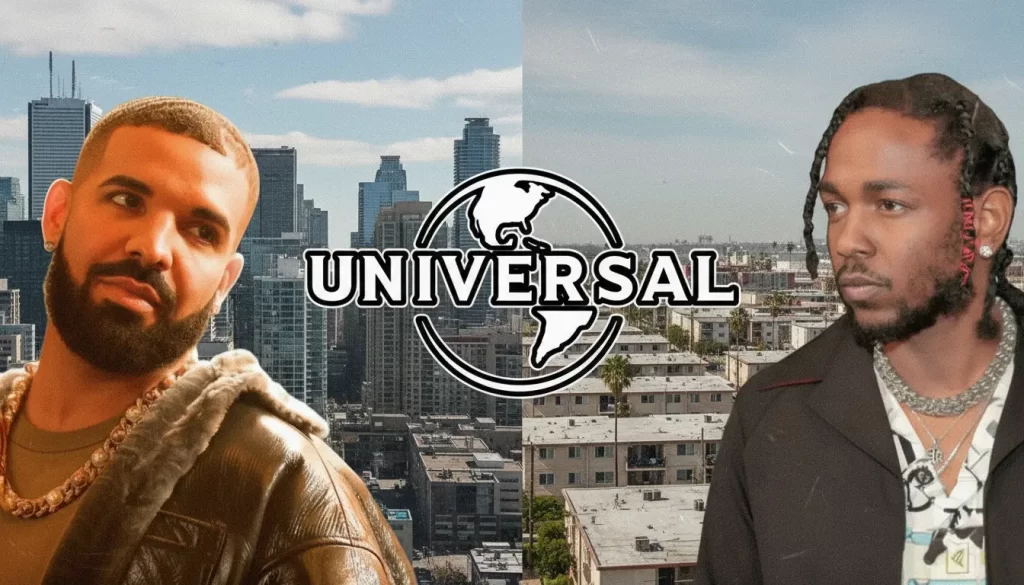
When news broke about Drake suing UMG, fans and industry insiders couldn’t believe that one of the world’s biggest rappers was taking legal action against his own record label. The lawsuit, sparked by Kendrick Lamar’s diss track Not Like Us, turned into a cultural flashpoint about artistic freedom, corporate power, and personal reputation. Here’s everything you need to know about the case, from the courtroom drama to the streaming scandals behind it.
Drake’s defamation lawsuit against UMG
In January 2025, Drake filed a defamation and harassment lawsuit against Universal Music Group (UMG), accusing the label of promoting and profiting from Not Like Us—a Kendrick Lamar track that called him a “certified pedophile.” The rapper claimed the song spread false and damaging accusations, causing reputational harm and even endangering his safety.
Drake didn’t sue Lamar directly. Instead, he targeted UMG, arguing that the label’s decision to market and monetize the song showed “corporate greed over artist safety.” UMG quickly fired back, calling the case “farcical” and an attack on artistic expression.
The Super Bowl performance as evidence
During the case, Drake’s lawyers pointed to Lamar’s Super Bowl Halftime Show performance of Not Like Us as a key example of defamation in action. They argued that UMG not only allowed the song’s lyrics to go global but also amplified them through one of the most-watched events in the world.
The court, however, saw things differently. Judge Jeannette Vargas ruled that diss tracks and live performances are protected artistic speech—not factual statements under U.S. defamation law, which protects creative expression under the First Amendment.
Lucian Grainge’s alleged involvement
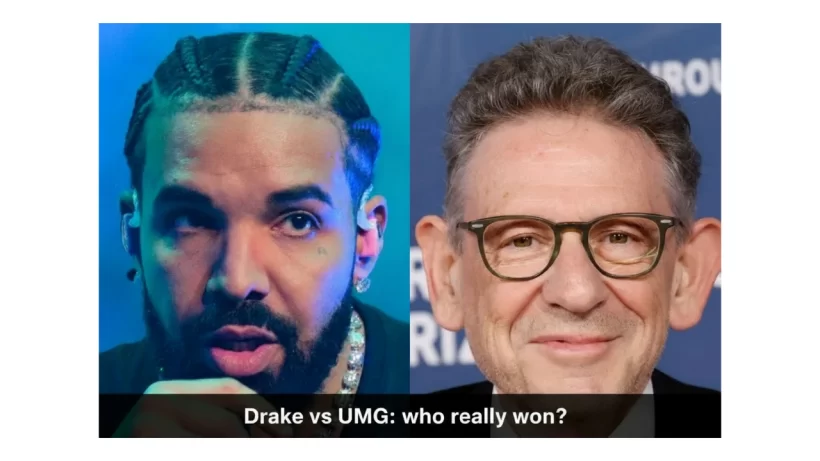
Drake’s legal team also tried to link UMG’s CEO, Lucian Grainge, to the controversy, claiming he had personal knowledge of and involvement in promoting Not Like Us. Grainge responded sharply, calling the allegations “groundless and ridiculous.”
He clarified that while he oversees UMG globally, he had no role in approving Kendrick’s song or its marketing campaign. His declaration became one of the most widely quoted documents in the case, as confirmed by multiple sources.
Bots, payola, and the “Not Like Us” promotion scandal
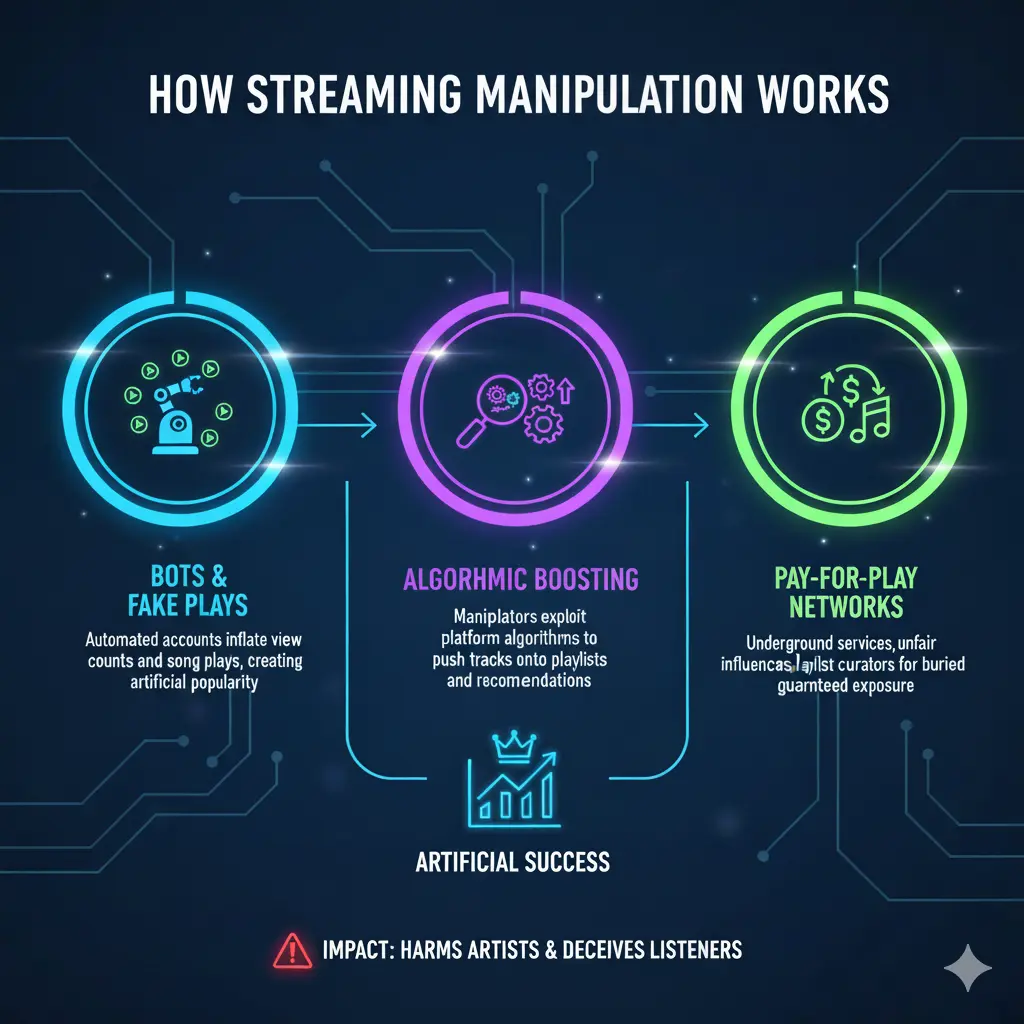
Drake’s filings went beyond defamation. He accused UMG and its partners, including Spotify, of using bots and payola to inflate streams for Not Like Us. According to court documents, UMG allegedly offered Spotify discounted licensing rates and paid third parties to boost engagement—tactics that, if true, could violate anti-payola laws.
Both UMG and Spotify denied the claims. Spotify stated that its algorithms are designed to detect artificial streaming, while UMG called the allegations “offensive and untrue.”
The pedophilia allegations and reputation damage
Lamar’s Not Like Us hit Drake where it hurt most: his image. The song’s lyrics and viral memes painted him as predatory, a narrative that snowballed across social media. Drake’s team argued that UMG’s promotion of the song worsened the fallout, citing fan comments that treated the lyrics as fact.
But Judge Vargas emphasized that no “reasonable listener” would interpret a diss track as a news report. In short: rap battles use metaphor, not evidence.
The amended complaint and new evidence
As the feud intensified, Drake amended his lawsuit to include 20 new names, mostly UMG executives and digital marketing contractors. He also claimed that internal communications showed executives discussing how controversy could boost profits.
UMG dismissed these additions as speculative and moved again to throw out the case. The court ultimately agreed.
UMG’s motions to dismiss
UMG filed multiple motions arguing that Drake’s complaint failed to meet legal standards for defamation. Their main argument: Not Like Us was “nonactionable opinion.”
Judge Vargas sided with the label, writing that no listener would believe the lyrics to be factual given the “heated context of a rap battle.” She dismissed the lawsuit with prejudice, meaning Drake cannot refile the same claim. This reflects U.S. defamation law’s high burden of proof, requiring a plaintiff to demonstrate actual malice—a nearly impossible standard when it comes to creative works.
UMG’s legal and media response
After the ruling, UMG released a confident statement: “From the outset, this suit was an affront to all artists and their creative expression.” The label reaffirmed its commitment to promoting Drake’s music despite the legal clash.
Drake’s camp responded that they intend to appeal the decision, suggesting the fight isn’t over.
Profit vs artist safety
A central theme of the case was the tension between corporate profit and artist protection. Drake argued that UMG prioritized viral hits over his personal safety, referencing violent incidents at his Toronto home after Not Like Us dropped. UMG countered that it couldn’t be held responsible for fan behavior or online speculation.

Home invasions and security threats
Shortly after the song’s release, multiple intruders reportedly attempted to enter Drake’s residence. His lawyers cited these incidents as “real-world consequences” of UMG’s actions. While tragic, the court ruled that the events—however serious—did not legally prove defamation.
Impact on Drake’s career
Despite the legal setback, Drake remains one of the most streamed artists in history. His partnership with UMG, valued at around $400 million, still stands. The controversy may have dented his public image temporarily, but it also sparked broader conversations about how artists navigate free speech, branding, and accountability in the streaming era.
The Drake vs Kendrick Lamar feud timeline
- March 2024: The beef reignites with a series of diss tracks.
- May 2024: Kendrick drops Not Like Us.
- June 2024: Drake files lawsuits against UMG and Spotify.
- February 2025: Not Like Us wins big at the Grammys.
- October 2025: Judge dismisses Drake’s lawsuit.
- October 2025: Drake appeals.
If you want to know more about it, check out our article Drake vs Kendrick Timeline (2009–2025): The Definitive Guide.
How the media covered the case
From Variety to The Guardian, mainstream outlets treated the lawsuit as both legal drama and cultural commentary. Music journalists pointed out the irony of Drake—who once defended rappers’ lyrical freedom—now suing over lyrics himself.
Streaming, payola, and the role of platforms
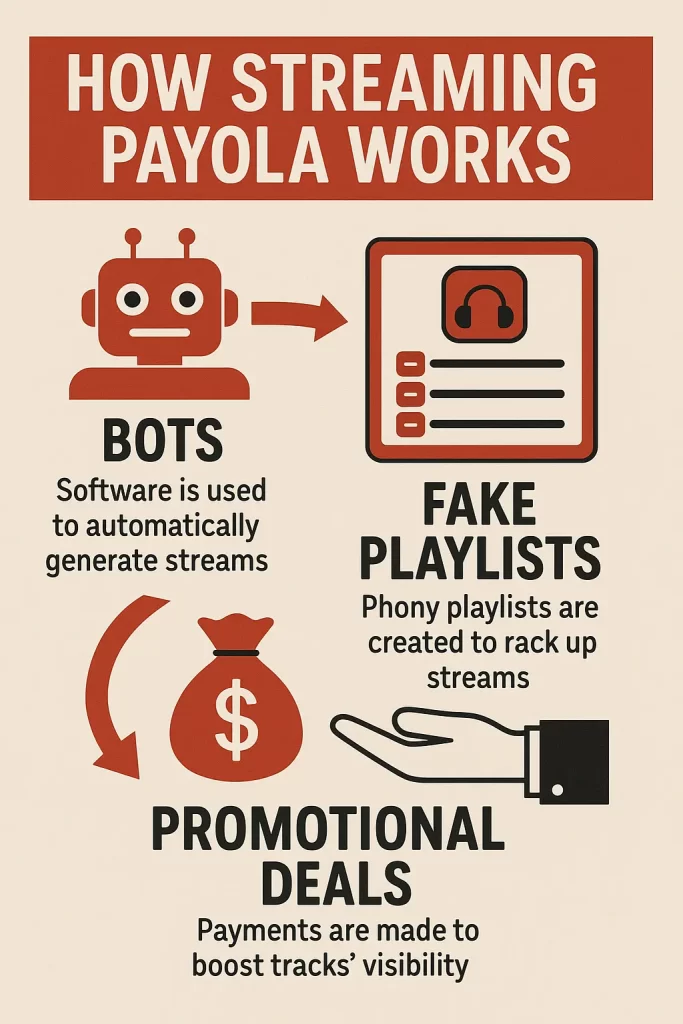
Few stories highlight the dark side of streaming better than this one. Drake’s accusations of “bot-driven payola” brought attention to how artificial plays can manipulate charts. Platforms like Spotify and Apple Music claim to fight fake streaming through AI-based monitoring, but enforcement remains opaque.
Similar legal battles in the music industry
Drake’s fight echoes other artist-label showdowns, such as Kesha vs Dr. Luke, Prince vs Warner Bros, and Taylor Swift vs Big Machine. Each case exposes the power imbalance between creative talent and corporate infrastructure. The difference is that Drake’s feud started as art and ended as litigation.
What this means for artists moving forward
The court’s dismissal reaffirmed that diss tracks are protected speech under the First Amendment. For artists, it’s both reassurance and warning: freedom of expression cuts both ways. Labels can distribute provocative music without fear of defamation claims—but artists must accept the heat that comes with lyrical warfare.
Conclusion
The saga of Drake suing UMG blurs the lines between music, business, and law. While the court sided with artistic freedom, the case raises lasting questions about accountability in the digital music economy. Whether or not Drake wins on appeal, his lawsuit will be remembered as a defining moment in Hip Hop’s legal history—one where the courtroom became the next stage for the culture’s most famous rivalry.
The feud, however, seems to never end. Read our article: Drake Spotify streams controversy explained.
[…] 0October 30, 2025 Diverse Mentality […]